
Texts for the exhibition in English part 1-14
1. Ticket sales
Admission
Under 18 years free
Please, do not touch the exhibition.
The Peter Freuchen Society is an association that aims to promote knowledge about Peter Freuchen, Greenland, and Arctic research.
Nakskov Ship and Maritime Museum is owned by Lolland Municipality. The museum is run by volunteers.
2. The silver ship
The Silver Ship
The ship is made of silver and was a gift from H.N. Andersen to the city of Nakskov in 1938. The model of ØK’s Selandia was crafted by the royal jeweler Dragsted based on drawings from the Nakskov Shipyard. The silver ship stood in the council chamber of Nakskov Town Hall. M/S Selandia was built in 1938 at Nakskov Shipyard. It was the second ship named Selandia in ØK’s fleet. On 9th April 1940, the ship was in Saigon, in what was then French Indochina. The ship was seized by the French and was armed. Selandia was ordered to France, but only made it to Cape Town in South Africa before France capitulated to Germany. Instead, Selandia’s Captain offered the ship and crew to the Allies. Selandia made a total of 29 voyages in Allied service. The ship had a top speed of 16 knots and could outrun the German submarines, so it sailed both alone and in convoy. Selandia survived the entire war without loss of life and without being damaged. Selandia was scrapped in Italy in 1962.
3. INTRO
The Ship
The ship has carried us and our belongings, the sea has been the connection between the known and the wider world. Our early ancestors glimpsed the coast of Lolland, placed their dugout canoe in the water, and sailed over here. We became better and better at building ships, the beautiful Viking ships were truly seaworthy and could cross the Atlantic and sail up Europe’s rivers. During the Middle Ages, the ships became larger, trade flourished, led in our area by the Hanseatic League, so there was a need for ships to carry more cargo. Adventure has always called to humans. From the 14-year-old boy who ran away to sea, enlisted as a Cabin Boy, and sailed across the seven seas to the mysterious and exotic port cities of the East. To explorers like Peter Freuchen, who sailed north to Greenland, mapped Arctic areas, and met the Inuit people. The ship embodies our dreams of distant shores, romantic notions of pirates, but also the danger of going down with ship and crew.
4. Slotø and Norske Løve
4.1. Denmark needs a Fleet – The Engelsborg Shipyard on Slotø
Throughout the 15th century, the Hanseatic League became stronger. The Hanseatic League was an association of cities, where merchants could engage in free trade. However, they did not shy away from a quick attack, as when the Lübeckers attacked Nakskov in 1510 and burned down parts of the town. The Hanseatic League was on the verge of taking control of the entire Baltic Sea.
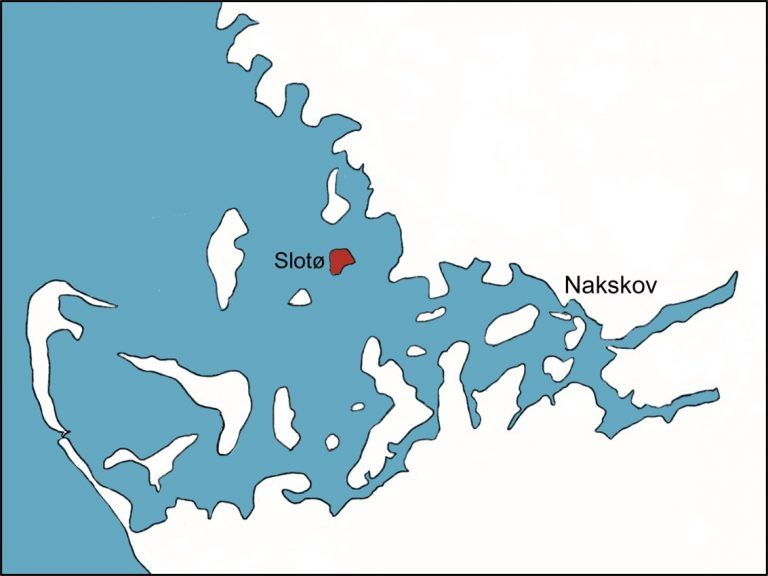
Slotø in Nakskov Fjord
©Anna Arnecke
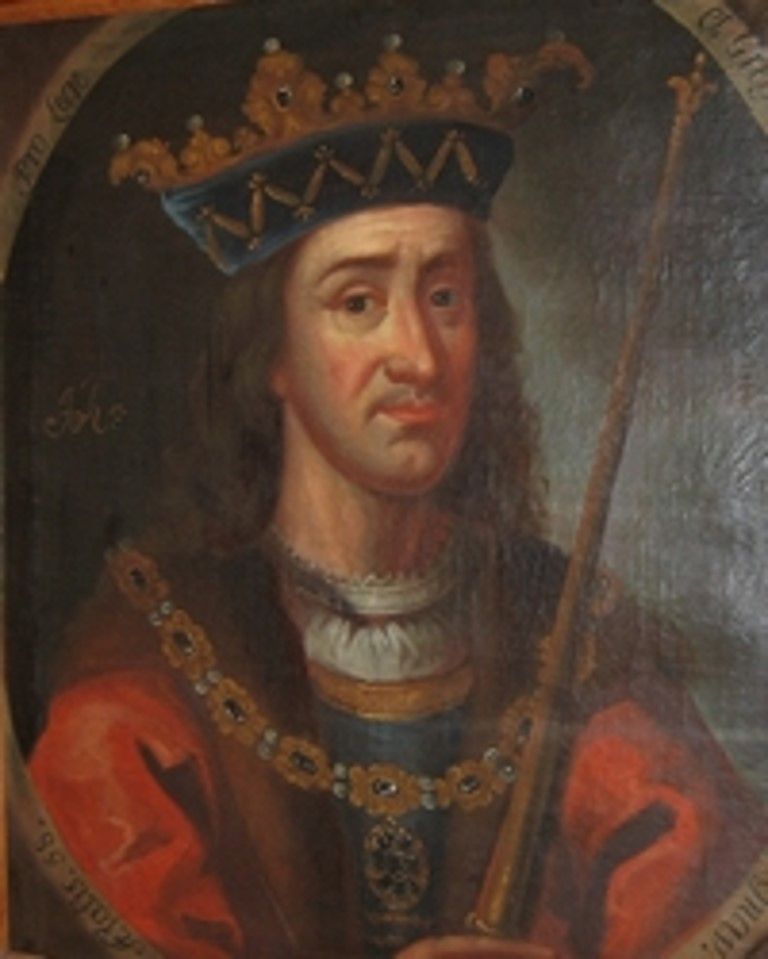
King Hans
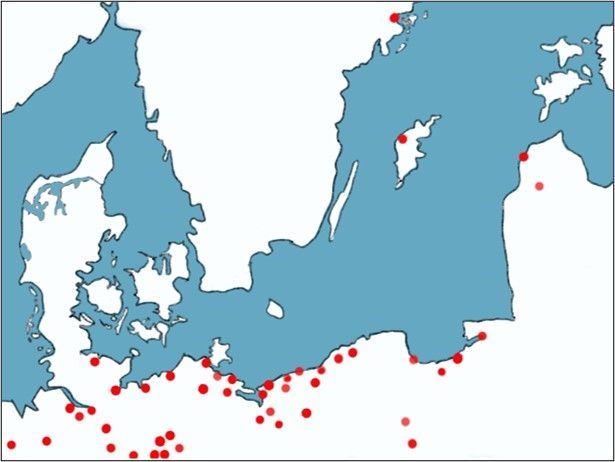
Hanseatic towns around the Baltic Sea
©Anna Arnecke
König Hans regierte die Kalmarer Union, eine politische Union zwischen den drei skandinavischen Ländern Dänemark, Norwegen und Schweden. Er beschloss, dass Dänemark eine neue Marine haben sollte, und so begann man 1509 mit dem Bau einer befestigten Marinewerft auf der Insel Slotø im Nakskov Fjord: Engelsborg. Slotø war dazu sehr geeignet, da das Wasser direkt vor der Insel 7 m tief ist und es auf Lolland reichlich Eichenholz zum Schiffsbau gab.
Heute haben wir kein Wissen darüber, welche Schiffe in den 30 Jahren, in denen die Werft aktiv war, auf Slotø gebaut wurden. Die Werft wurde in den 1540er Jahren geschlossen.
Christian IV reopens the Engelsborg Shipyard
King Christian IV waged a series of wars, both on land and at sea – and needed new ships for the Danish fleet. Christian IV reopened the shipyard in 1624. The king was an active man who went to Slotø himself. He hired the Scotsman Daniel Sinclair to lead the shipbuilding.
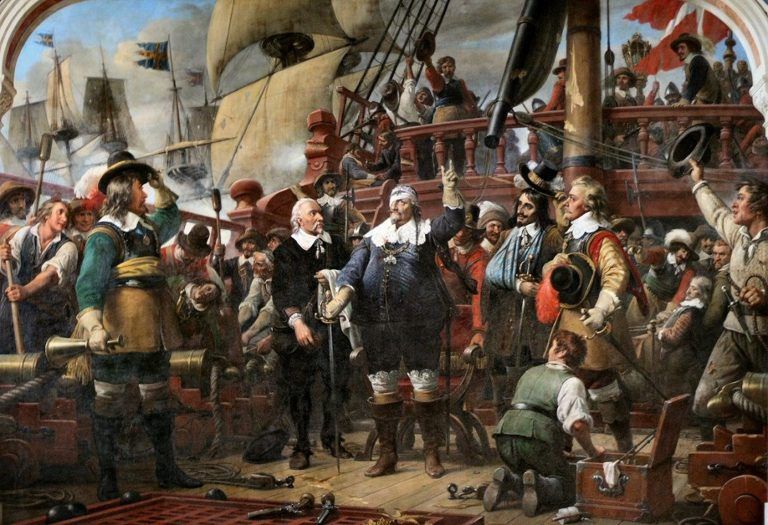
King Christian IV stands wounded on the deck during the naval battle at Kolberger Heide, 1 July 1644. (Wilhelm Marstrand, 1865)
In the 10 years up to 1633, 10 warships were built for the Danish fleet. Ships with names like Store Sophia, Kronet Fisk, and Lammet. The most famous is Norske Løve, which was launched in 1633, the last ship built on Slotø.
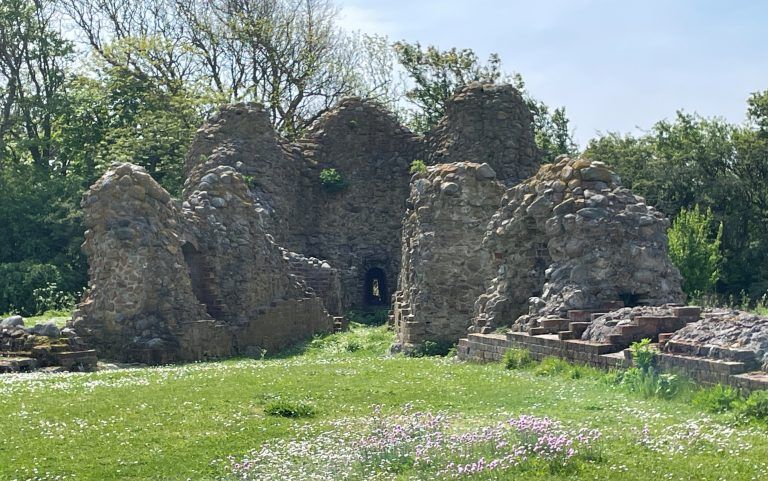
Engelsborg ruin
©Anna Arnecke
4.2. Model of Engelsborg on Slotø, made at Nakskov Shipyard in 1981 following the instructions of Lecturer Marius Hansen, who taught history at Nakskov High School and excavated Slotø from 1948 together with students from high school.
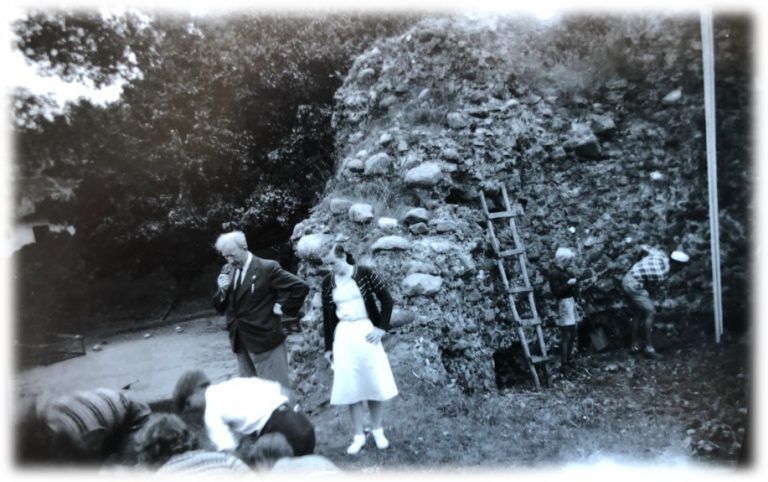
Picture of Marius Hansen and his students excavating Slotø.
© Søfartsmuseets arkiv
4.3. Norske Løve (built on Slotø 1633)
- Length: 38.43 m
- Width: 9.96 m
- Draft: 3.32 m
- Displacement: 900 tons
- Number of cannons: 36-48
- Crew: 244 men
Designed by David Balfours, built by Daniel Sinclair.
Norske Løve was in active service for 12 years and participated in the Battle of Listerdyb on 16 May 1644, the Battle of Kolberger Heide on 1 July 1644, and the blockade of Gothenburg in 1645. The ship was decommissioned in 1653.
Building technique
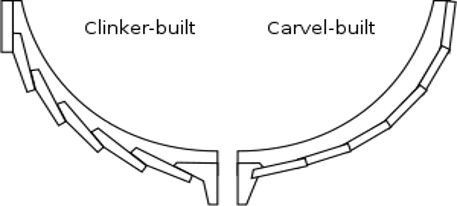
In the north, ships had been built using the clinker method for centuries, where the planks on the sides of the ship overlap. Clinker-built ships, like the Viking ships, are strong and flexible, but can only be made in smaller sizes. In the Middle Ages, cannons were introduced, and to shoot further, ships needed to be taller. Therefore, shipbuilders switched to carvel construction, where the planks on the sides of the ship are flush against each other. This allowed ships to be built taller and larger. Larger ships could also carry more cargo, which was preferred by merchants.
Caulking
The gaps between the planks needed to be sealed. This was done with oakum and pitch. Oakum is made from untwisted ropes and other fibres. Pitch is boiled tar, which becomes very sticky and water-repellent. Tar also protects wood from rotting in water, so the hull of the ship was tarred.
5. H.N. Andersen, The straight course, and the establishment of the shipyard
H.N. Andersen – the Founder of ØK
Hans Niels Andersen was born in Nakskov in 1852. His parents were labourer Iver Andersen and Elisabeth Hansdatter. H.N. Andersen grew up in very humble circumstances and, after his confirmation, apprenticed as a ship Carpenter at the Ridderborg & Trockmann’s wooden shipyard in Nakskov. He dreamed of seeing the world, so after completing his apprenticeship, he went to sea. H.N. Andersen sailed to the Far East and stayed there for several years. To advance in life, he needed more knowledge, so during those years he studied navigation, ship construction, history, and languages. He got a position as first mate on the King of Thailand’s ship and became its Captain. He had a keen eye for opportunities, which he saw in Bangkok, where at the time there were few European businessmen. In a novel business strategy, H.N. Andersen shipped a load of teak to Europe on a Thai ship. The profit from this gave him the capital to start Andersen & Co. in Bangkok in 1884. Andersen & Co. engaged in import-export trade with Europe, acquired more ships, operated hotels, and managed its own forestry operations, earning quite well.
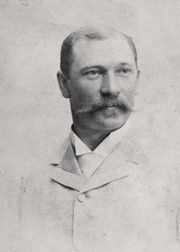
H.N. Andersen
In 1892 and 1894, H.N. Andersen was in Denmark, where he began collaborating with Isak Glückstadt, the Founder of Landmandsbanken (now Danske Bank). This led to the establishment of the East Asiatic Company (Det Østasiatiske Kompagni – ØK) on 27 March 1897, with Glückstadt as chairman and H.N. Andersen as managing director. The company was to engage in international trade, industry, and transport between Europe and the Far East. The idea behind ØK was to control all stages of the operation, from raw material production in the East, shipping to Denmark, factories in Denmark for processing the raw materials, and shipping products back to the Far East. H.N. Andersen called it ‘reciprocity,’ where all stages should benefit, and more industry, along with jobs, should be created in Denmark. ØK expanded massively; in Denmark Portland Cement, the Soy Cake Factory, OTA and the Danish Condensed Milk Factory in Nakskov, were started. ØK became Denmark’s largest company. H.N. Andersen became one of Denmark’s most influential men. He was appointed titular Councillor of State in 1900.
ØK and B&W Ships
For centuries, ships had sailed with sails, and in recent decades with coal-fired steamships. H.N. Andersen was a man of progress and saw the potential in the diesel engine, which was being developed. In December 1910, ØK ordered a motor-driven ship from Burmeister & Wain’s shipyard in Copenhagen. M/S Selandia embarked on its maiden voyage to Bangkok in February 1912. It was the world’s first large motor-driven ocean-going ship. It caused a stir because it could sail without smoke coming out of chimneys – in fact, it didn’t even have chimneys.
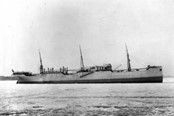
M/S Selandia
In 1912, ØK had entered into contracts with B&W to build more ships for ØK. There were price increases on materials due to the First World War, which ØK agreed to pay, but the ships were still not being delivered, as B&W had prioritised orders for ships to Sweden over ØK’s ships. H.N. Andersen was not satisfied.
“The Straight Channel”
When ships needed to enter Nakskov, they had to sail north of Slotø. There were many bends, and ships often ran aground. The ships grew larger and could not sail into Nakskov. In 1910, discussions began about expanding the harbour and digging an entirely new 4 km navigation channel from Barneholm to Enehøje, a completely straight channel, called “The Straight Channel”.
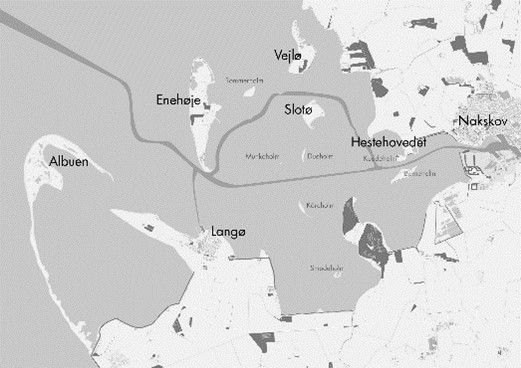
The Straight Channel
©Søren Rosenberg Jensen
It would cost a great deal of money. The brave politicians in the town council unanimously decided to invest nearly the entire municipal treasury in the project. It was considered necessary to future-proof the harbour and Nakskov. The cost of the expansion project ended up at 3,790,000 kroner, after the municipality deducted the sale of plots along the harbour. An astounding amount at the time. It was agreed to purchase a municipal “dredger” to keep the money and jobs in the town. From 1914 to 1919, the Straight Channel was dug and the harbour expanded.
The citizens of Nakskov were concerned about the large projects and their finances. Both Bank Director Reimer and Editor Erichsen viewed the matter with great scepticism. On 4 September 1916, Mayor Sofus Bresemann called a town meeting at Hotel Harmonien. Although the Chairman concluded the meeting with the words, “I note, as something that is established, that the project must be carried through, and that we should join hands and advance the cause,” the mood the next day was even more rebellious.
Mayor Bresemann decided that “something positive had to be done, otherwise everything would drown in bickering, to the ruin of it all and to the detriment of the town. It had to be shown that the project could bear fruit. “So I placed an advertisement in Berlingske Tidende and Politikken offering a plot for the establishment of a shipyard. Interested parties could respond to a ticket number. Only one response came – from a firm in Amaliegade in Copenhagen.
One warm summer day, I left the Parliament to stroll along Langelinie and ponder whether I should respond to the ticket I had in my pocket. However, I didn’t get that far, as right outside Parliament I met Alfred Christensen from Nakskov. I told him I was going to Amaliegade to discuss the shipyard. – Don’t do that, I have something better, he replied. But I explained that I had to have a decision immediately. Only when Christensen mentioned the name of State Councillor H.N. Andersen did I promise to wait until the next day to make the decision. The next morning at 11 o’clock, Alfred Christensen came up to me and greeted me on behalf of the State Councillor, who wanted to see me at ØK’s office. The car was waiting downstairs.”
The fateful Meeting with H.N. Andersen
H.N. Andersen wanted to know if there were areas for the shipyard, if skilled labour could be sourced, if there were plots for workers’ housing and proper schools and hospitals. Bresemann answered all questions positively.
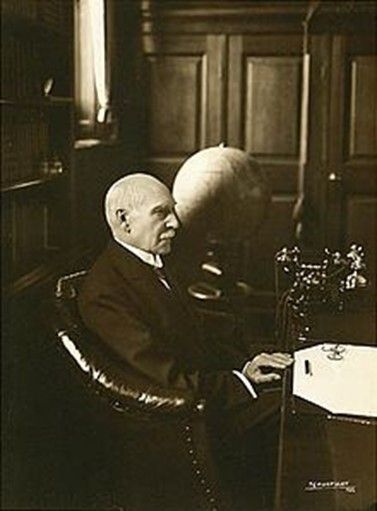
H.N Andersen in his office.
Photo: Johannes Hauerslev
The conversation then ended with H.N. Andersen’s words: “We will form a joint-stock company or partnership consisting of Nakskov Municipality and the East Asiatic Company, or a public limited company so that the town’s citizens can be investorsd. Go home and speak with Bank Director Reimer at the Landmandsbanken about the matter. He will chair the company. I would like to see you, Mr. Bresemann, on the board, and Mr. Christensen must lead the company as Director.”
The meeting lasted half an hour.
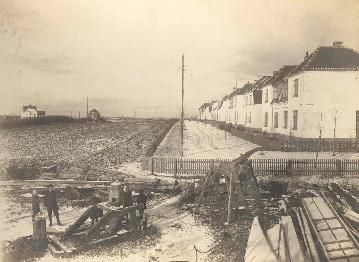
New homes for shipyard employees at Rosnæs, 1928. ©Historiens Hus Nakskov
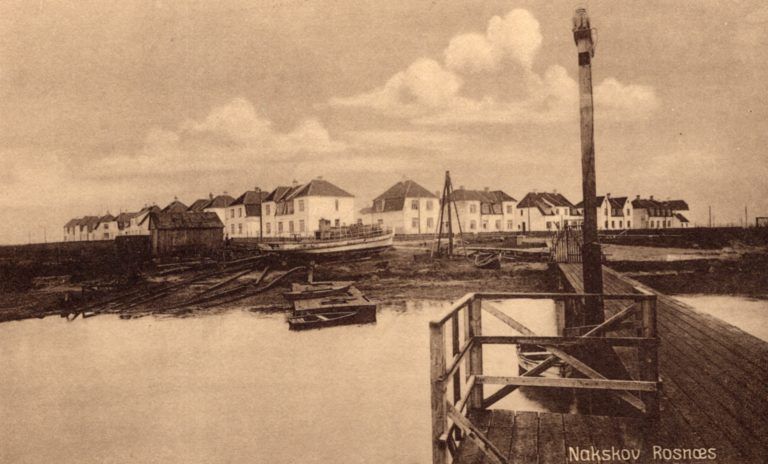
New homes for shipyard employees at Rosnæs, 1920. Villa Rodsnæs, which the new shipyard Director Alfred Christensen had built in 1918. ©Historiens Hus Nakskov
Nakskov Shipyard was established as a partnership on 12th October 1916, with Nakskov’s mayor Sofus Bresemann and merchant Alfred Christensen among the initiators. The starting capital was 1 million kroner, with ØK subscribing 375,000 kroner, while Landmandsbanken, Nakskov Harbour Authority, and private individuals subscribed the rest. On 26th April 1919, the company was converted to a public limited company, with ØK, Landmandsbanken, Dampskibsselskabet Orient, and Nakskov Harbour subscribing to a share capital of 7 million kroner. In the 1920s, ØK began buying up the shares and became the sole shareholder in 1939.
6. The Whistle
6.1. The whistle of Nakskov Shipyard
The whistle at Nakskov Shipyard could be heard over large parts of Nakskov. At 6:57 it blew twice, and at 7:00 there was a long blast. That’s when the working day started. At 7:03 the gate and the token booths closed; if you were late, you had to go to the gatekeeper, who stamped your day card to show you had not arrived on time.
The whistle signalled lunch at 11:00, back to work at 11:27 with two short blasts, and then a long one at 11:30. At 15:30 the whistle blew again marking the end of the workday.
If there had been a fatal accident during the workday, the whistle was silent at the end of the day. Everyone went home in silence.
6.2. The Token
All shipyard workers had a token. Here is token no. 1401, carpenter Erik Clemmensen’s token, made of wood from 1949 with the day card inserted. You took your token when you went through the token booth, along with a new day card. At 7:03 the gatekeeper could quickly collect the tokens of those who had not shown up.
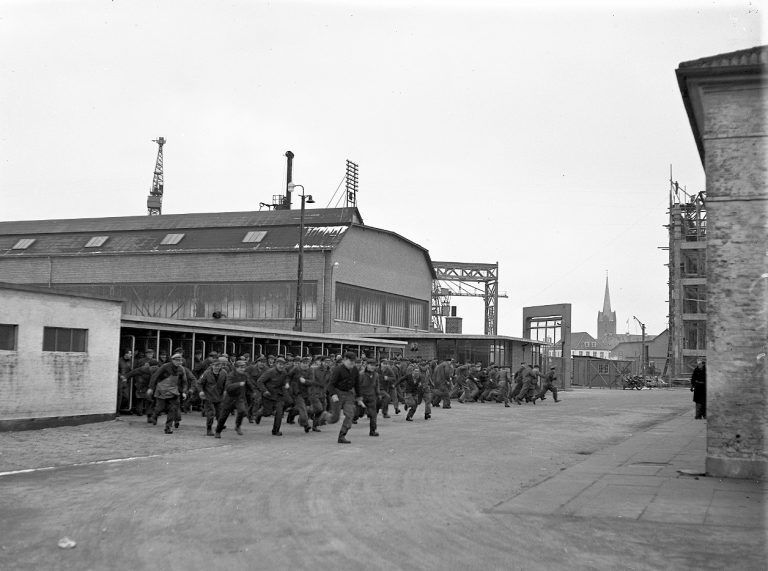
End of the workday – shipyard workers rush out through the token booths.
©Historiens Hus Nakskov
At the end of the day, workers filled out their day card with their name and the tasks they had completed. People worked on piece rates, and different tasks paid differently. The card was placed in a box. On payday, the day cards were reviewed and the wages calculated.
7. Overview model
A Shipyard – together, many Trades build a Ship
Many professions were needed to solve the various tasks involved in building a ship. The complex construction had to be managed so that all tasks were completed at the right time. A price for the finished ship had to be calculated and negotiations conducted to secure the order. The ship had to be designed and drawn. Frames had to be bent, and steel plates riveted or welded on to construct the hull. The engine had to be installed. The ship had to be painted. Piping and electrics needed to be laid, equipment and instruments installed. The ship had to be fitted out so that cabins and salons became habitable, and the galley could prepare food. Once all this was accomplished, the ship was ready to embark on its maiden voyage.
8. The design office
8.1. Planning a Ship
The requirements and wishes of the shipping company buying the ship were clarified:
- The ship’s purpose – what is the ship to transport?
- What should the ship’s cargo capacity be?
- The ship’s speed and the desired engine type?
- Where will the ship sail, are there any special conditions required there?
Based on the requirements, project drawings were created. These drawings were drafts of the ship’s design. Cargo distribution could be calculated, and the ship’s stability examined.
8.2. Line Plan
Next, the line plan was drawn up. The line plan is a set of three drawings that determine the shape of the ship’s hull and form the basis for all construction drawings and working drawings. There are three drawings that are orthogonal projections on three planes, providing the ship’s 3D form.
Middle-line plane: a plane through the middle of the keel and stem, dividing the ship into two symmetrical halves, starboard and port.
Half breadth plan: a plane at the waterline, dividing the ship into an above-water part and an underwater part.
Midship section: a vertical plane dividing the ship into a forebody and stern.
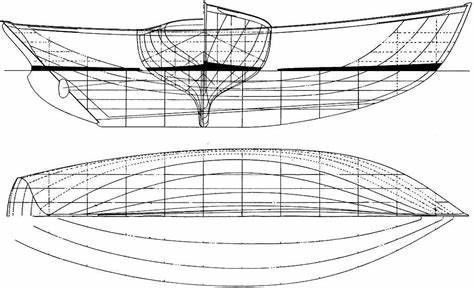
Line Drawing for a Sailboat
8.3. General Arrangement
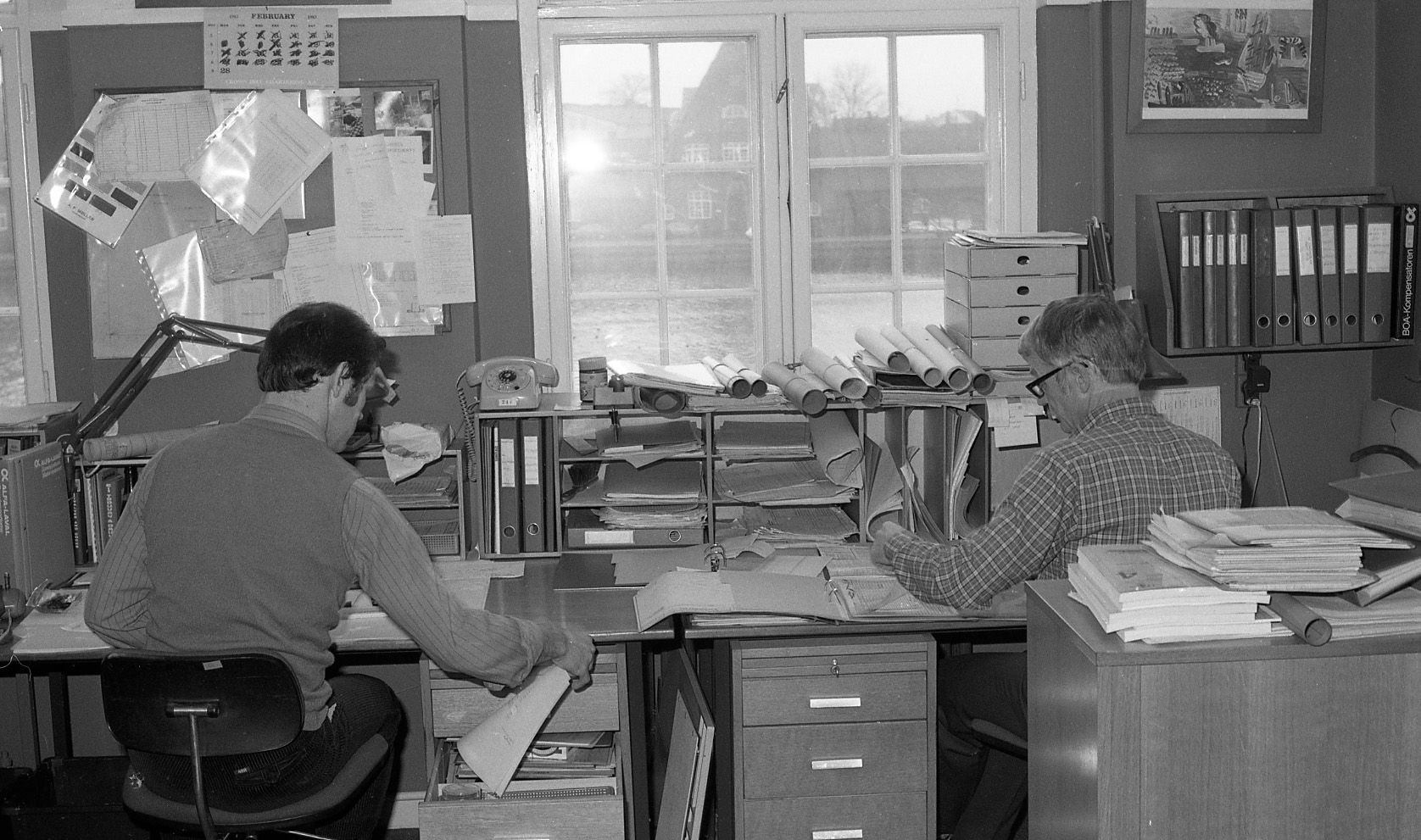
The general arrangement was then developed. These are detailed construction drawings. Everything was drawn by hand. Calculations were also done by hand – or in one’s head.
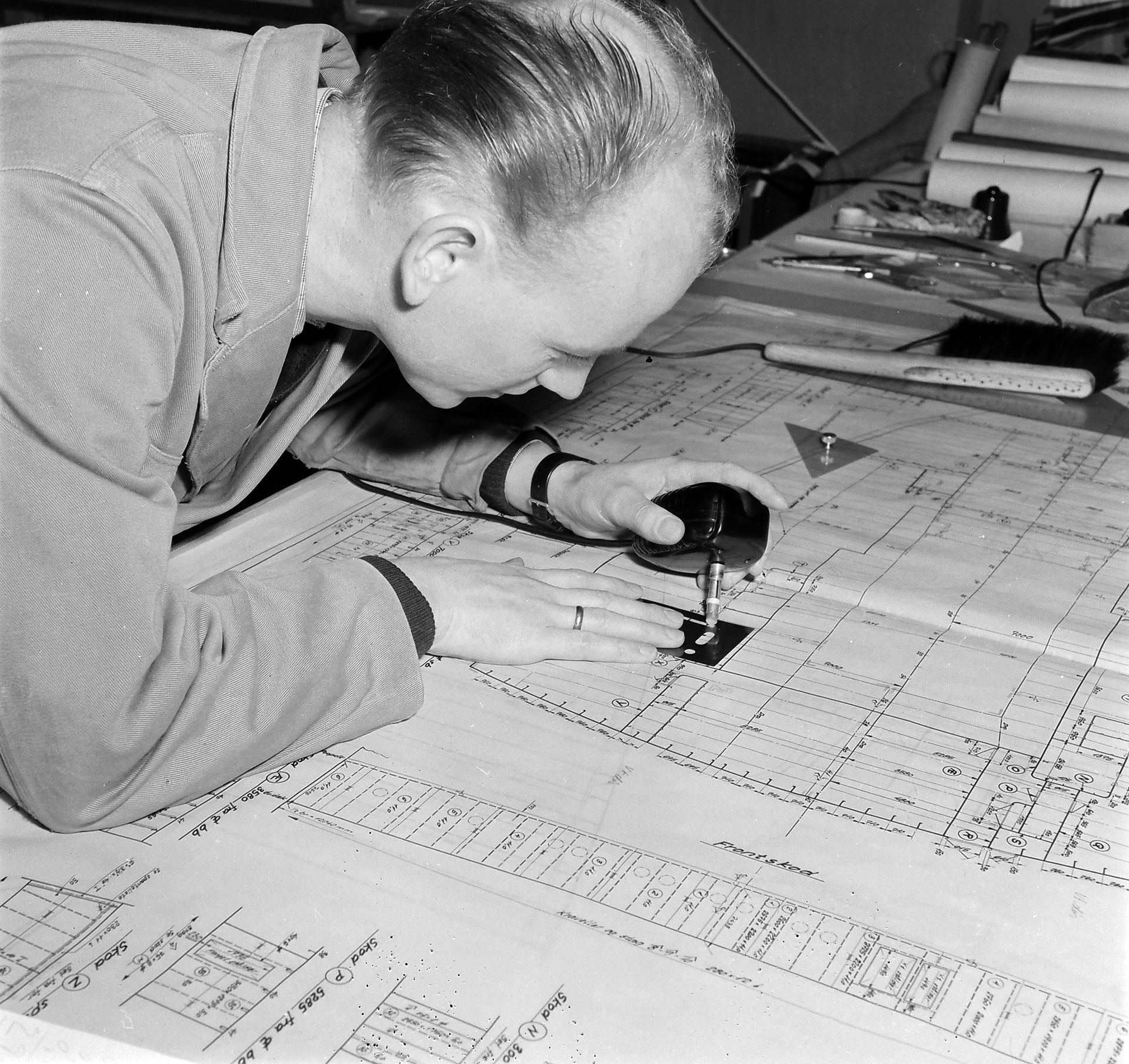
©Historiens Hus Nakskov
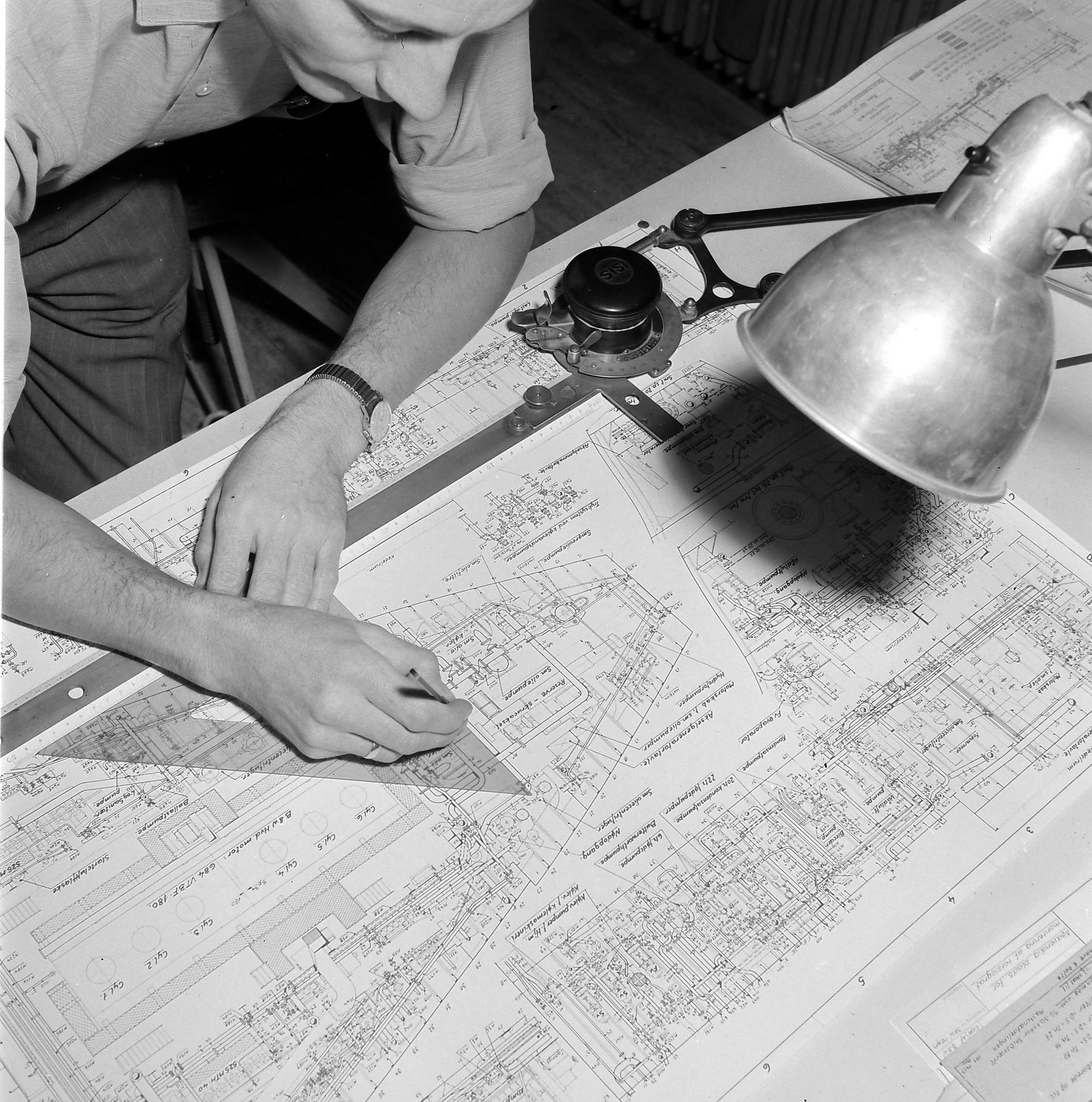
©Historiens Hus Nakskov
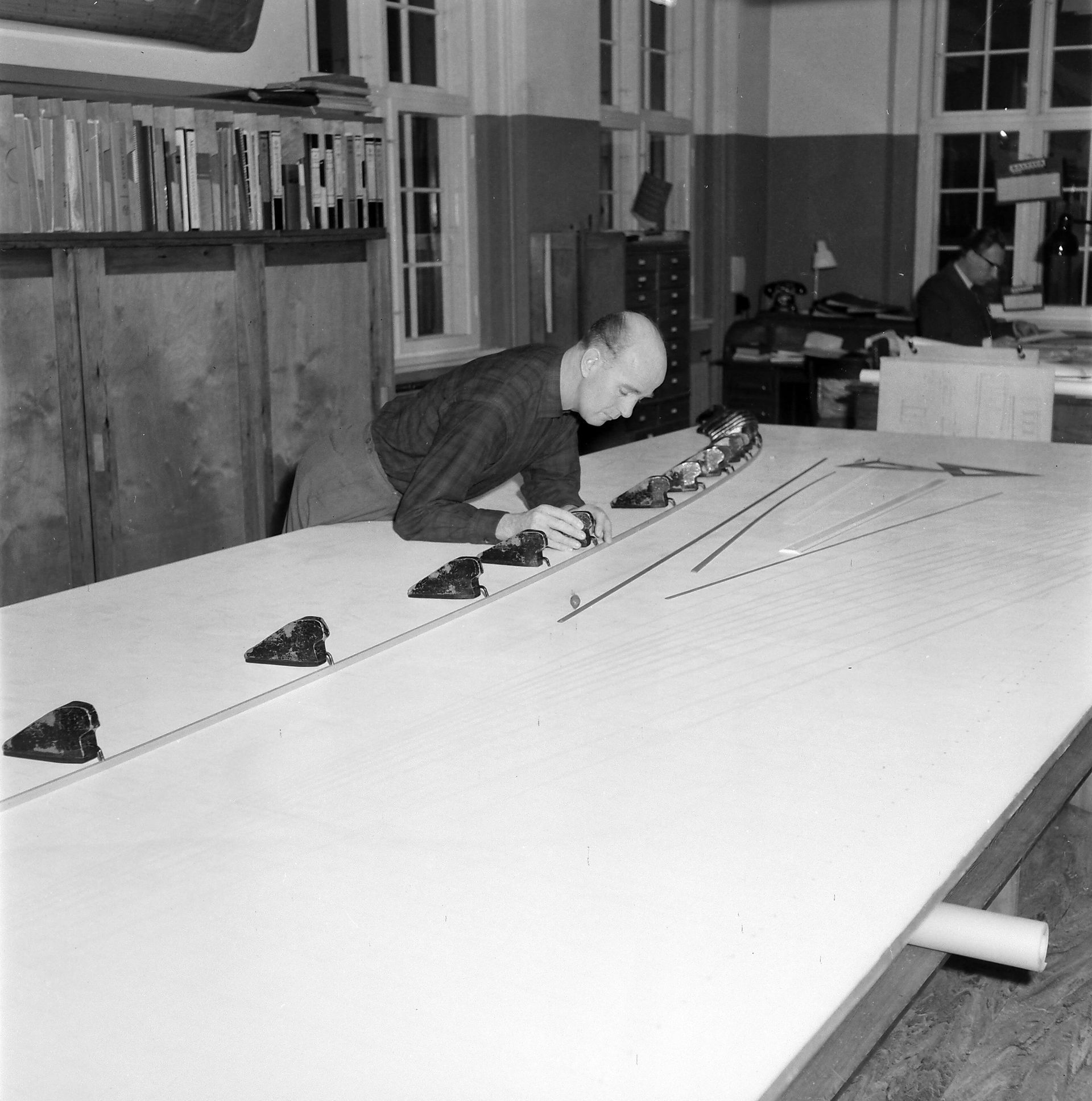
©Historiens Hus Nakskov
In later years, 3D models of ships were also built as part of the drawing process.
The yard worked closely with Lloyd’s Register and Norsk Veritas. These companies set standards for how ships should be built to achieve the best possible safety.
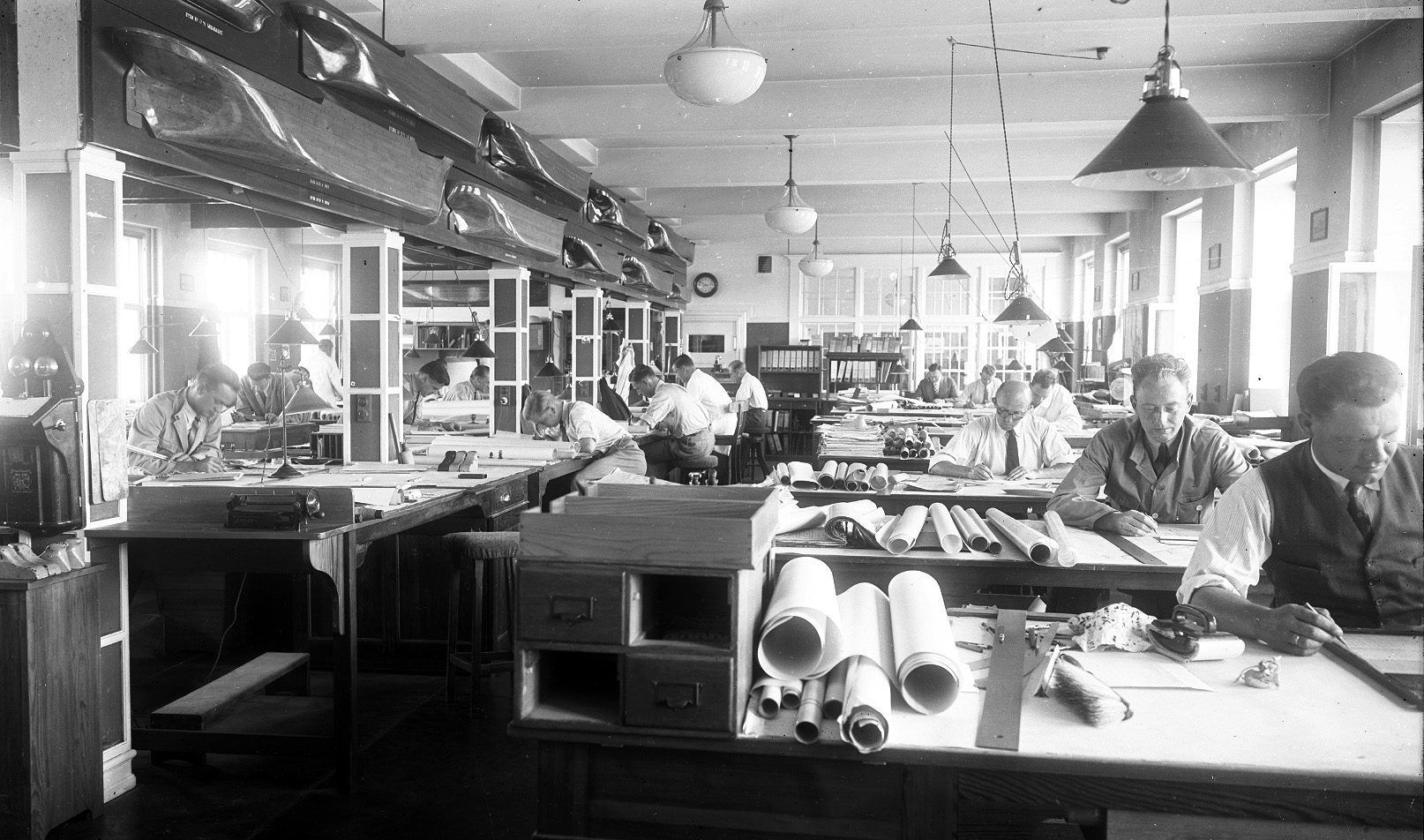
©Historiens Hus Nakskov
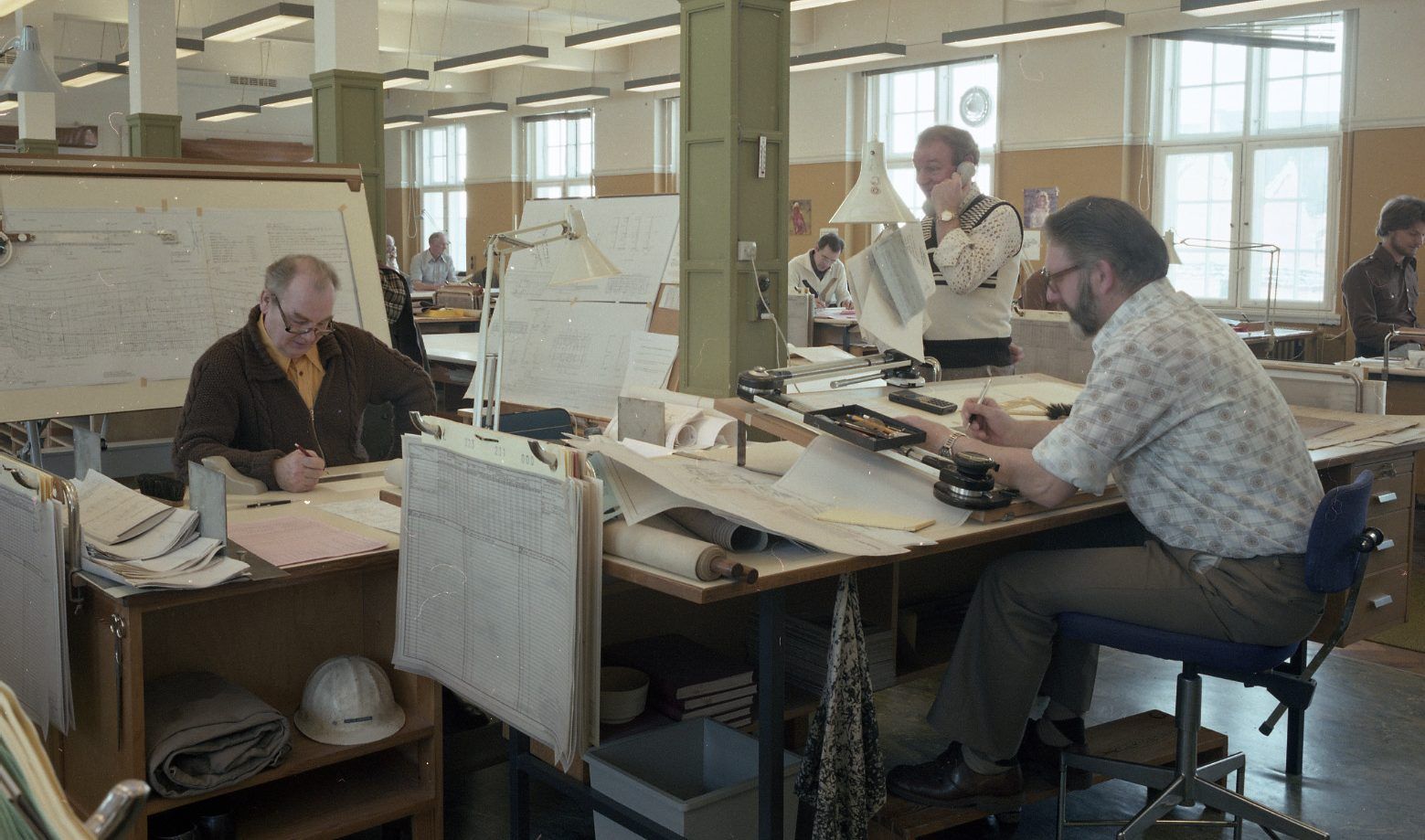
©Historiens Hus Nakskov
©Historiens Hus Nakskov
8.4. Mould Loft
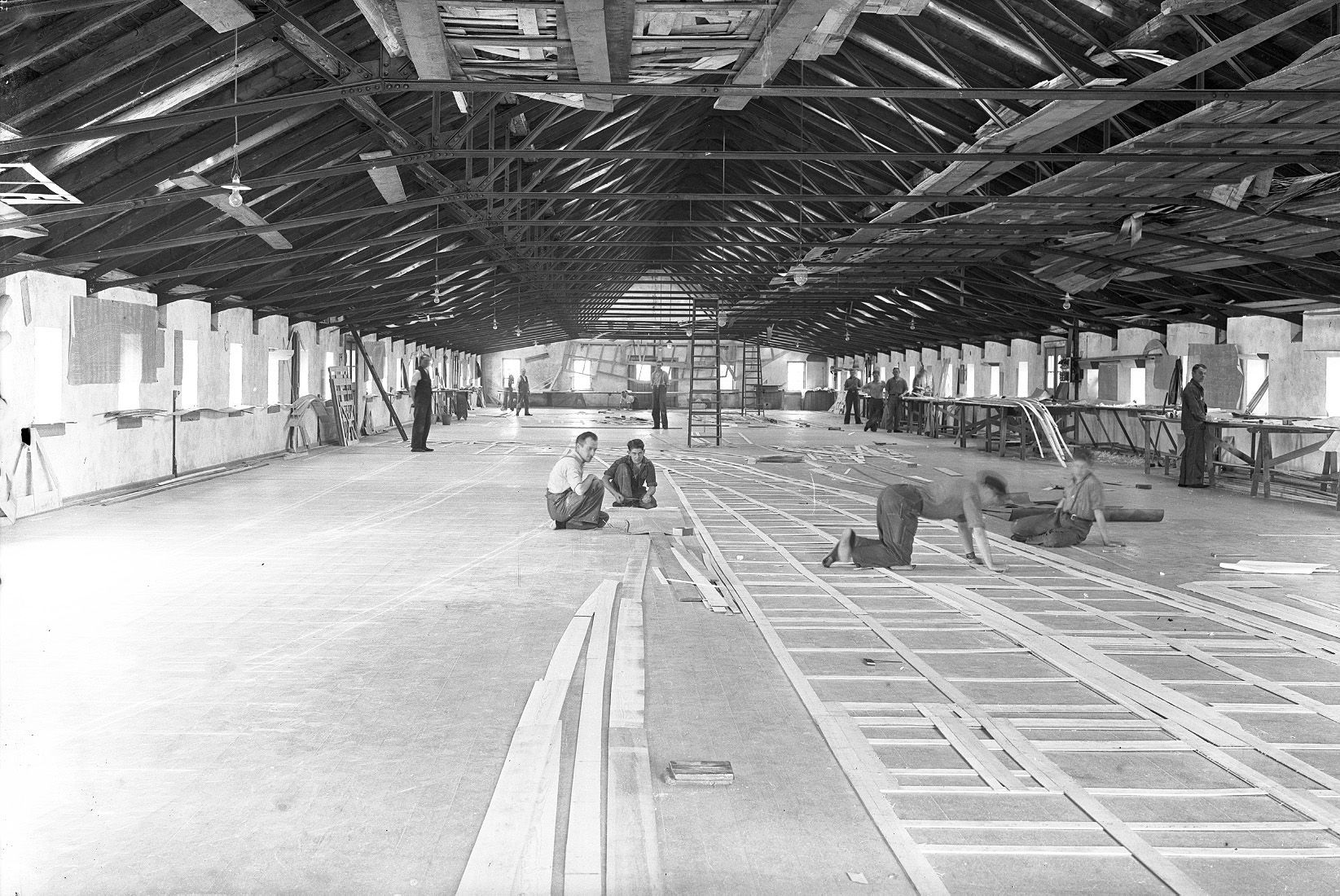
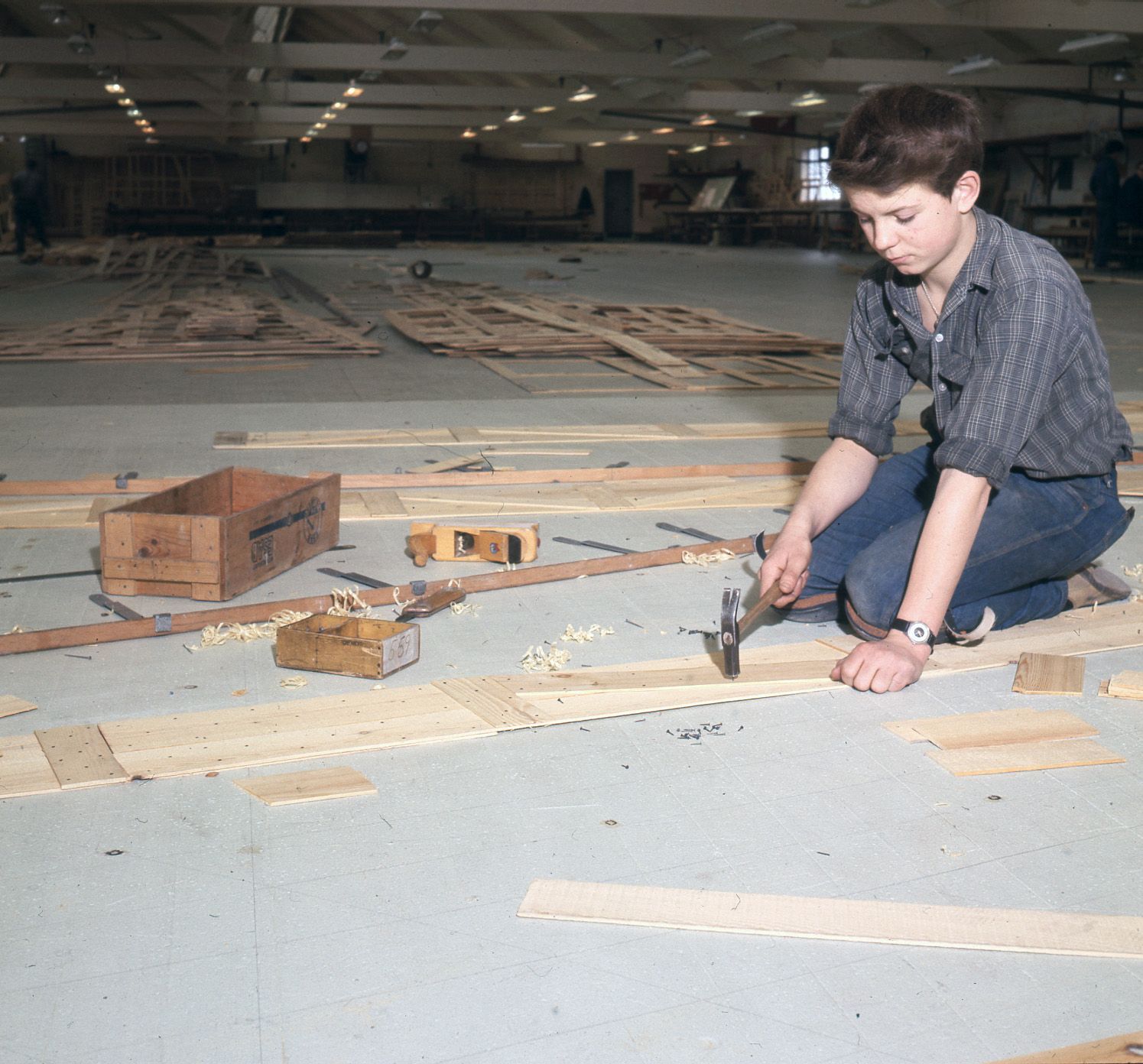
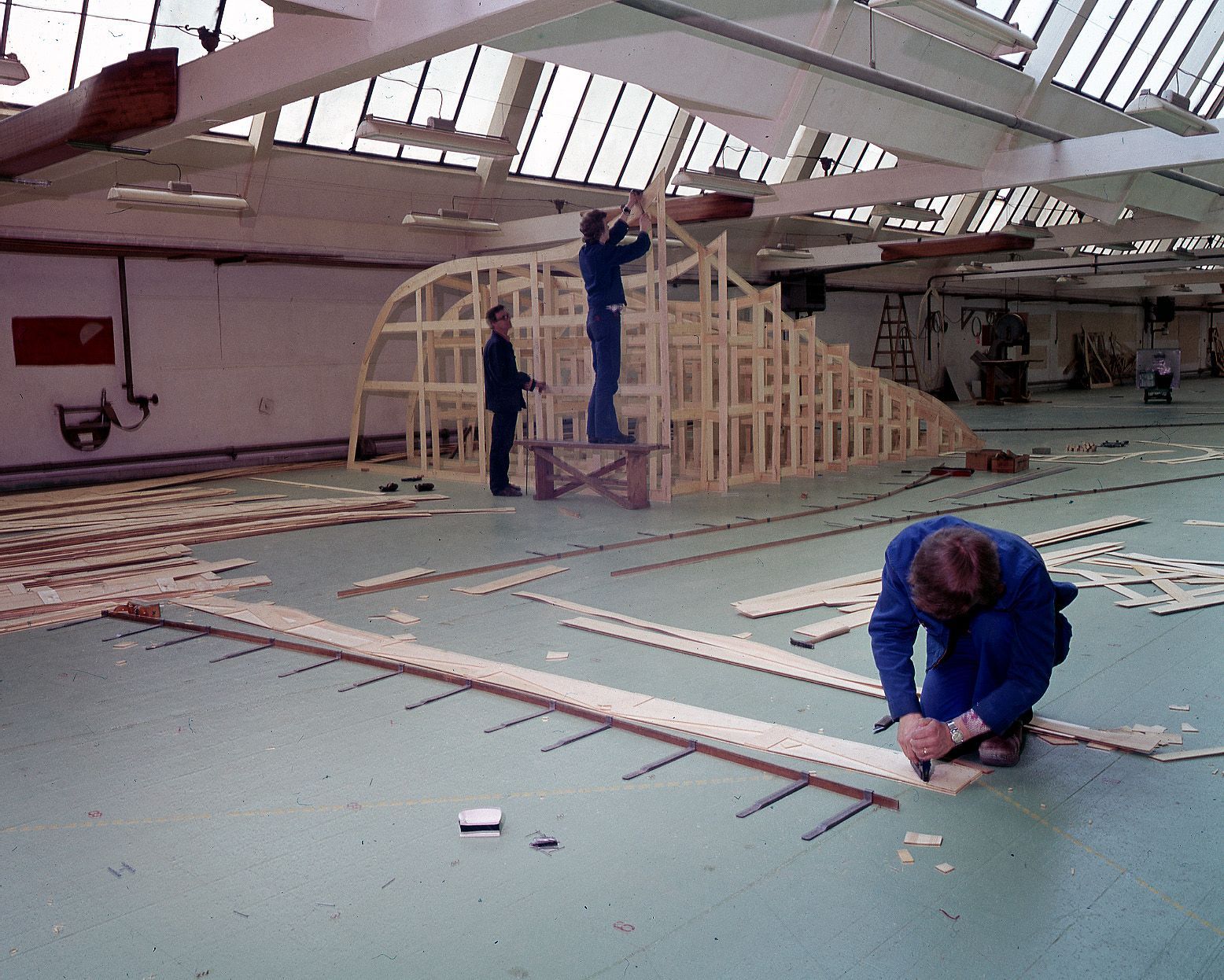
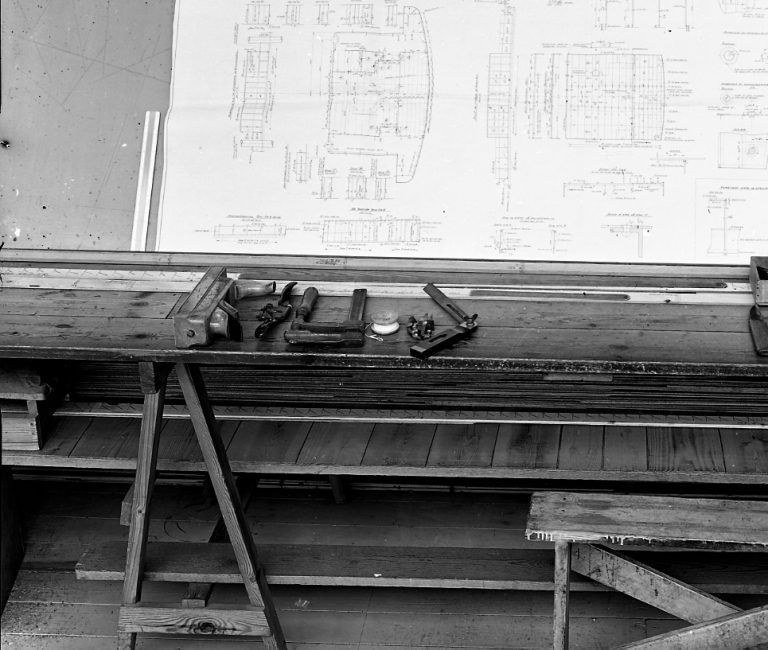
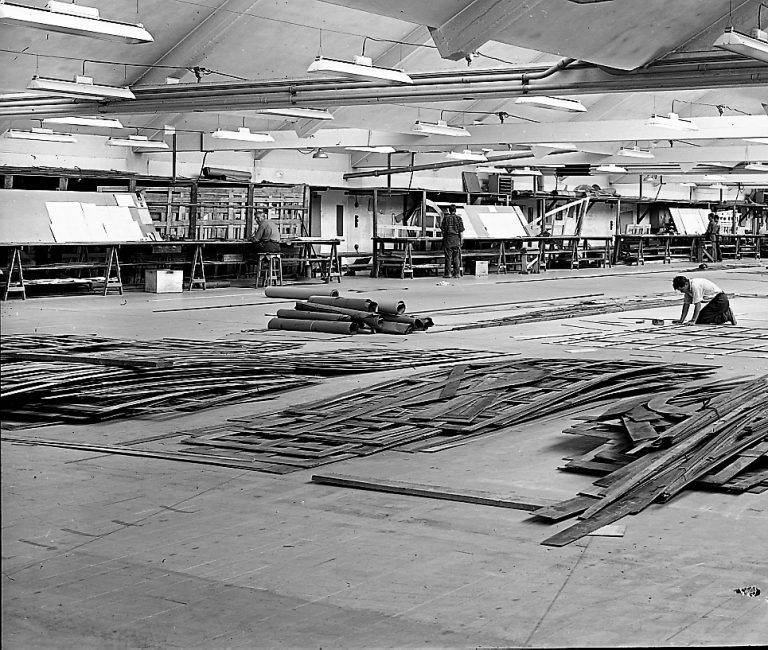
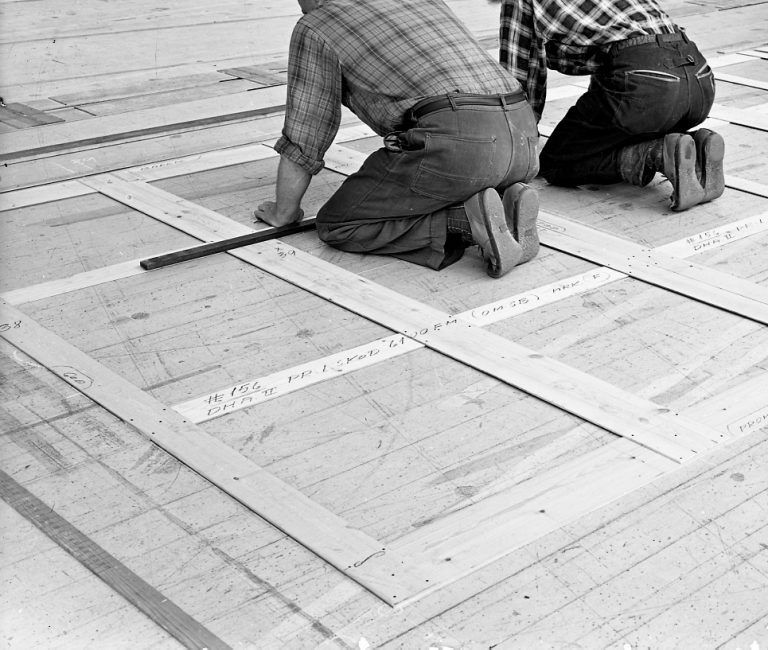
Once all drawings were approved, the mould loft received the drawings. The mould loft was a very large room so that the drawings could be drawn full-size on the floor. Wooden models of the frames were then made based on the drawings on the floor.
©Historiens Hus Nakskov
©Historiens Hus Nakskov
©Historiens Hus Nakskov
©Historiens Hus Nakskov
©Historiens Hus Nakskov
©Historiens Hus Nakskov
©Historiens Hus Nakskov
1959: Mould loft. Ship drawing and half-model with plating marked on; drawing table with drawings; overview of the loft; template building.
9. Pipe Model
It looks like a fantastic Lego model, but it is not a toy; it is a very important working tool. The shipyard employed several Model Builders. They built 3D models of ships in plexiglass, showing all piping. For example, blue pipes were freshwater, black pipes were wastewater, and green pipes were hydraulic oil. Before computer programmes, it was difficult to ensure there was enough space for all the piping. Especially important was remembering that pipes were joined with flanges (collars), so there had to be enough space between pipes for the flanges. The model also showed how long a pipe could be and still be manoeuvred into place in the ship’s confined spaces – the longer the pipe, the fewer the joints, and the cheaper it was.
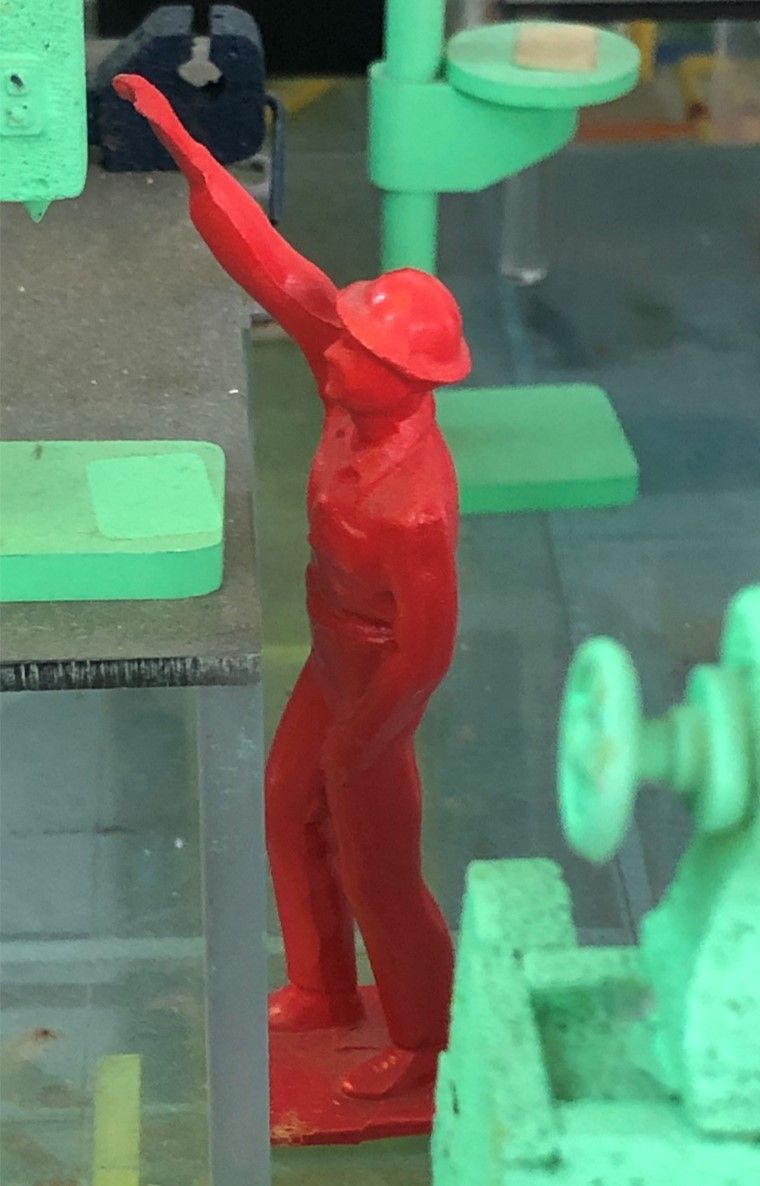
©Anna Arnecke
The Engineer had to be able to reach all valves while standing on deck. At the same time, pipes, valves, or flanges had to be at least 1.80 m above deck so that one did not hit one’s head while walking around the ship.
The Model Builders made a figure of the Engineer, reaching up to see if he could reach a valve. Can you find him in the ship?
Working drawings were made from the model. The person installing a pipe received a working drawing with only that one pipe and had to place it precisely, so when the next person came with another working drawing, there was room for the other pipes.
10. Riveting
The sabotage-bombed ferry is being repaired at Nakskov Shipyard
The M/F Sjælland was sabotage-bombed on 3 November 1943. The ferry had departed from Nyborg, and at 14:50, when it was 20 minutes from Korsør, the first bomb exploded. A fountain of fire erupted through the aft deck, a roar sounded, and the ferry was shaken, causing the passengers to be thrown around. At first, it was believed that the ferry had hit a mine. There were 600 passengers on board. The ferry managed to sail to Korsør under its own power.
Rescue and firefighting efforts were underway when another powerful bomb exploded at 16:30. Three firefighters from Falck were killed, and 18 of Falck’s personnel and crew members were injured. The rescue operation was halted. German tugboats pulled the ferry out of Korsør harbor and grounded it, where it completely burned out.
M/F Sjælland was then 10 years old, built at the shipyard in Helsingør as a railway ferry for the Great Belt. DSB decided to have the ferry rebuilt, and it was towed to Nakskov Shipyard, where it was repaired for the rest of the war. It was completed in October 1945.
In the silent film, you can see the completely damaged ferry after the sabotage bombs, and then workers from Nakskov Shipyard carry out the repair work.
Note that the pneumatic tools being used are displayed in the showcase.
Frames
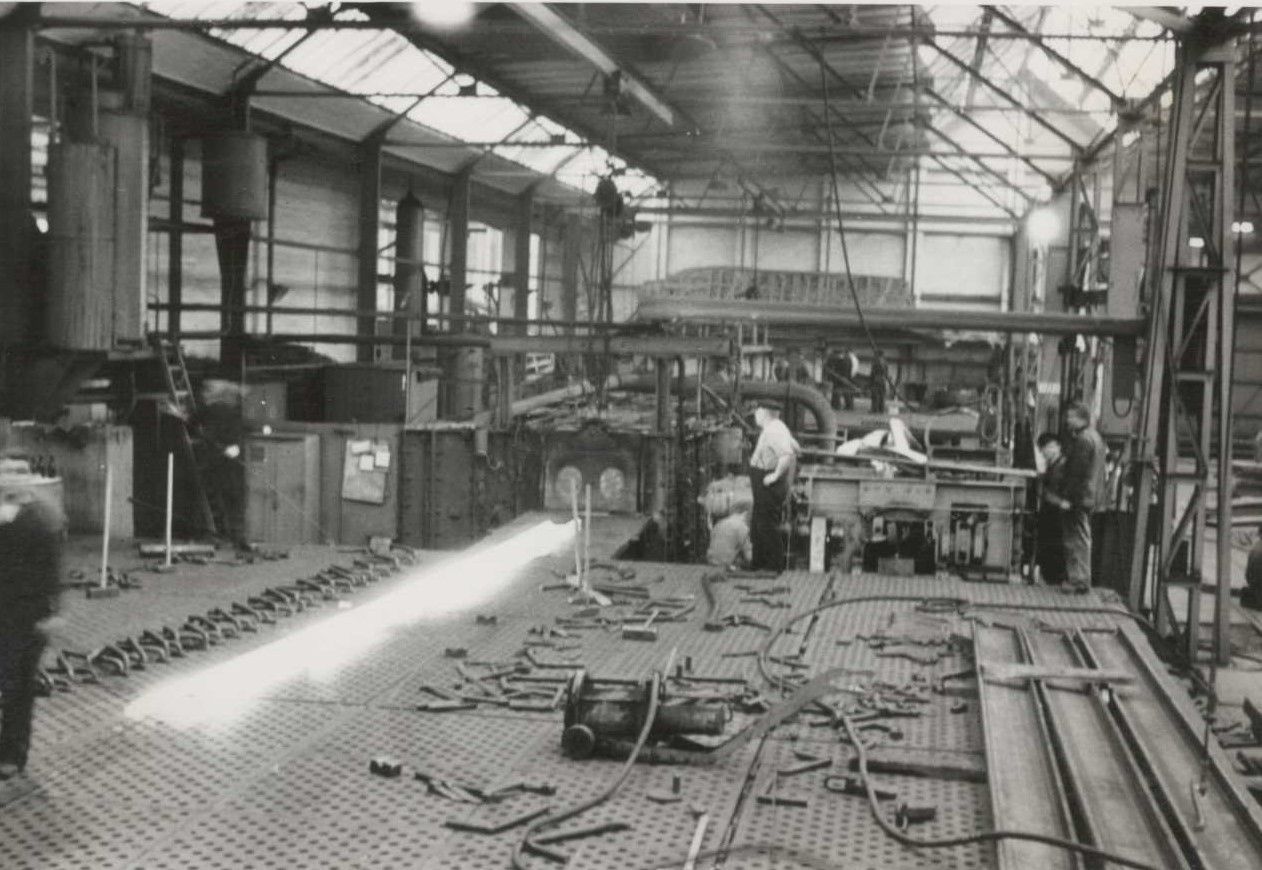
©Historiens Hus Nakskov
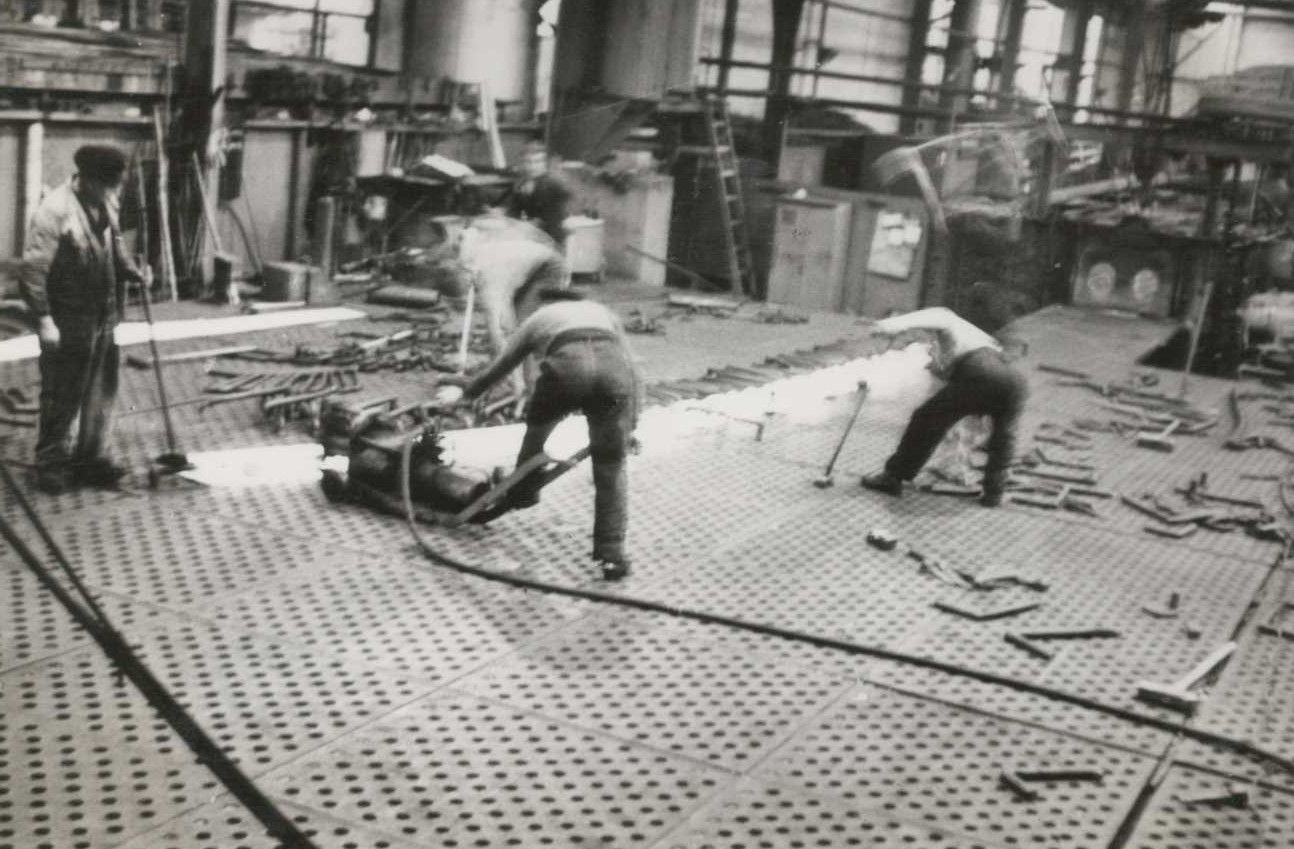
©Historiens Hus Nakskov
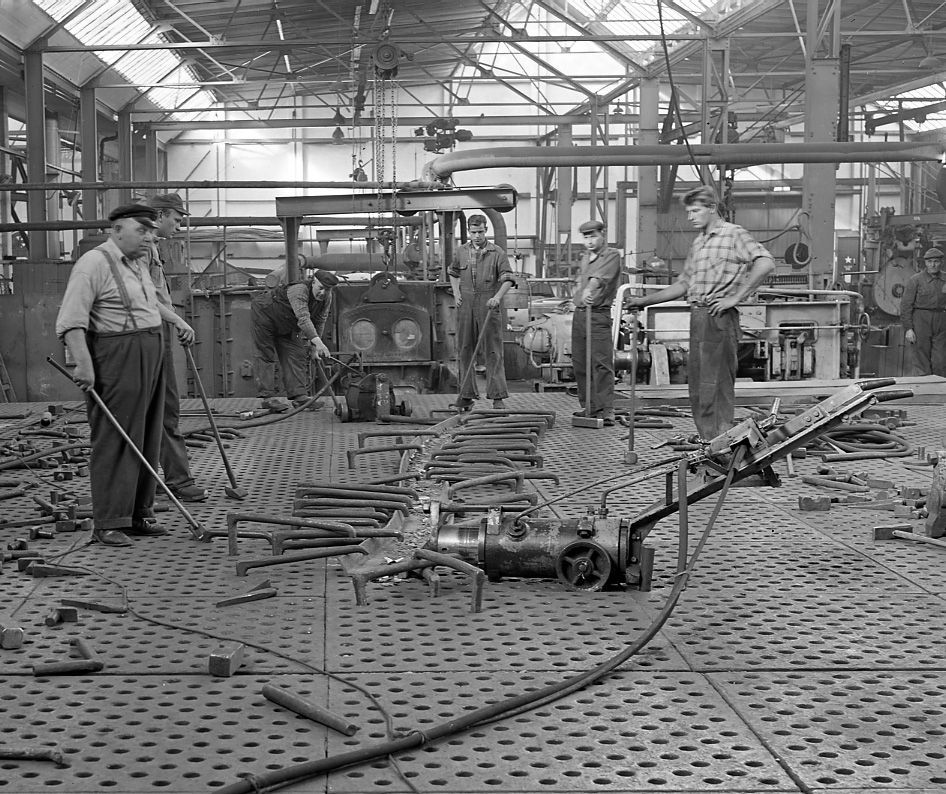
©Historiens Hus Nakskov
Plating
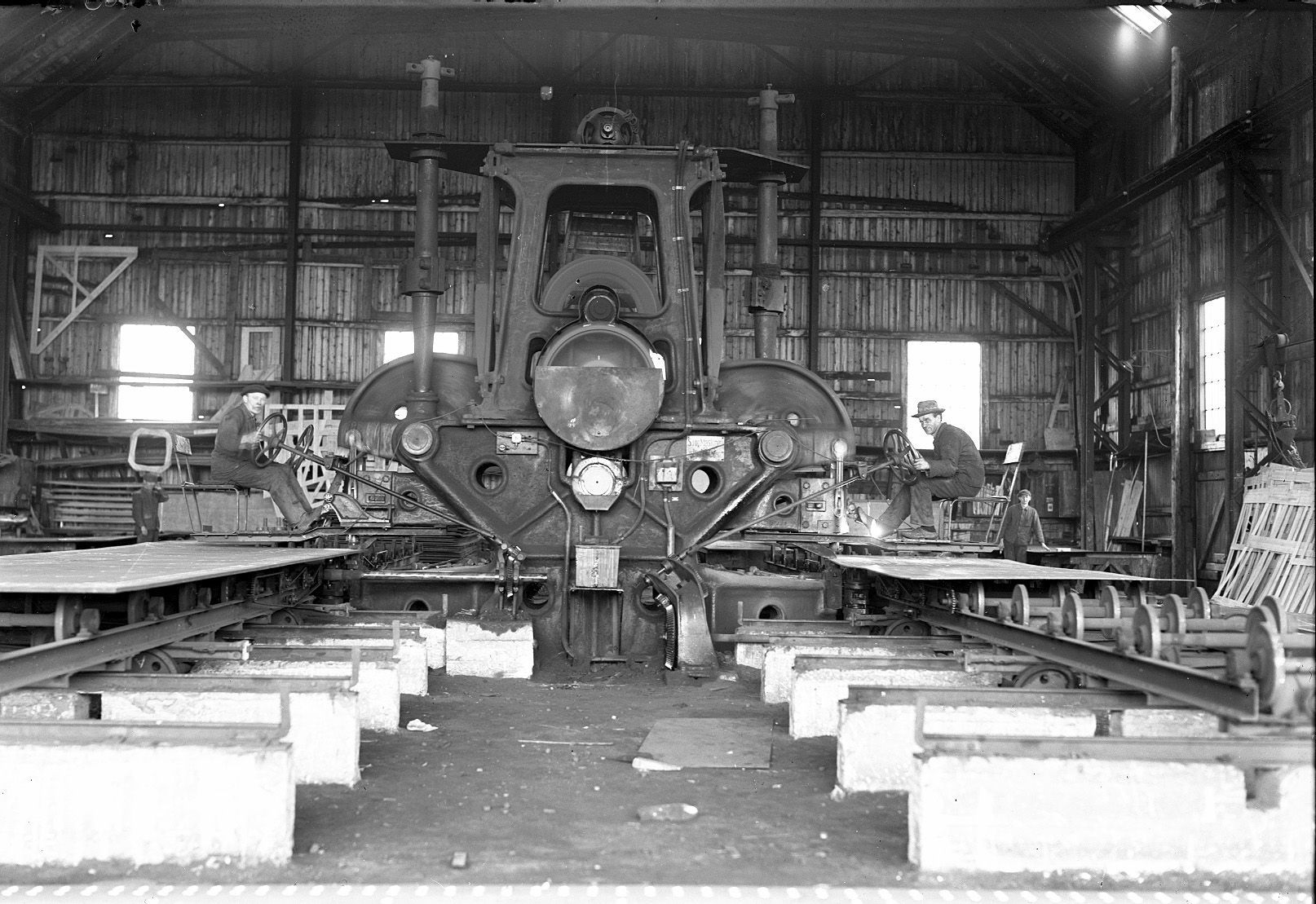
1936-40: A punching machine is an advanced hole-punching machine that makes holes in iron plates. This machine was operated by two workers. ©Historiens Hus Nakskov
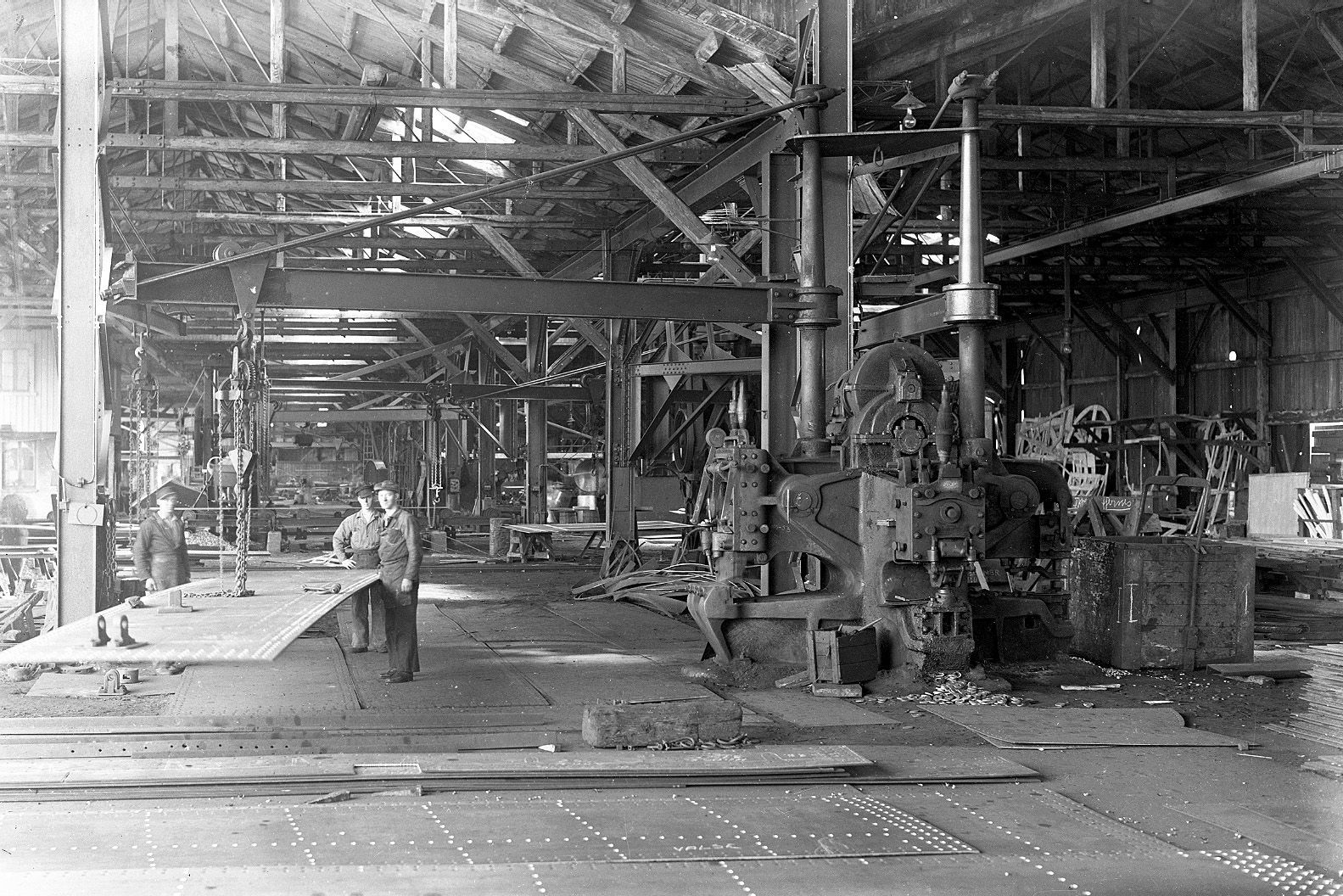
1945-50: A plating piece is lifted to the punching machine. In the foreground are plates that have had holes punched for the rivets.
©Historiens Hus Nakskov
The plating pieces – the steel plates used for the hull – had holes punched around the edges. The plates could then be overlapped and joined with rivets.
Riveting
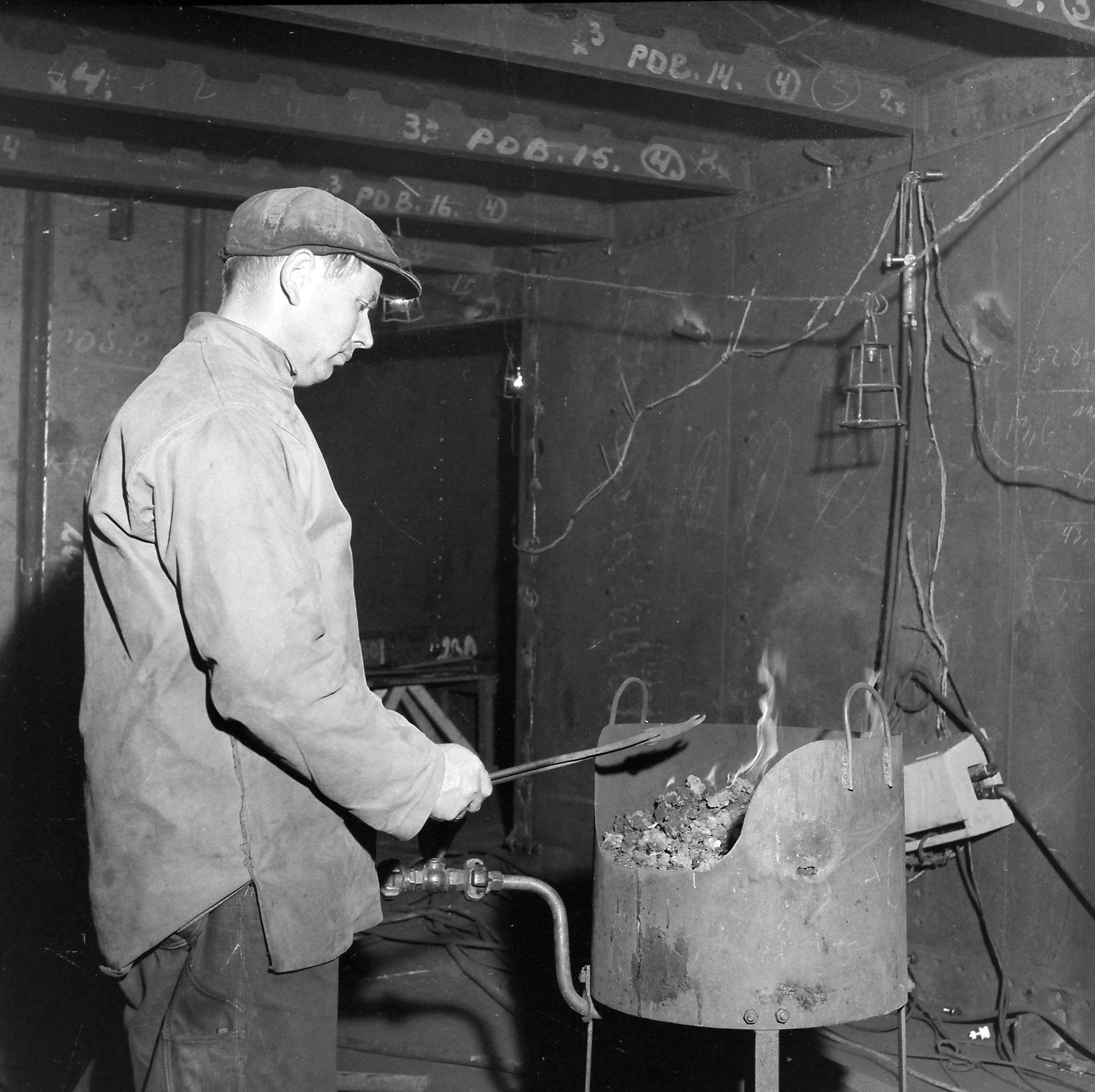
©Historiens Hus Nakskov
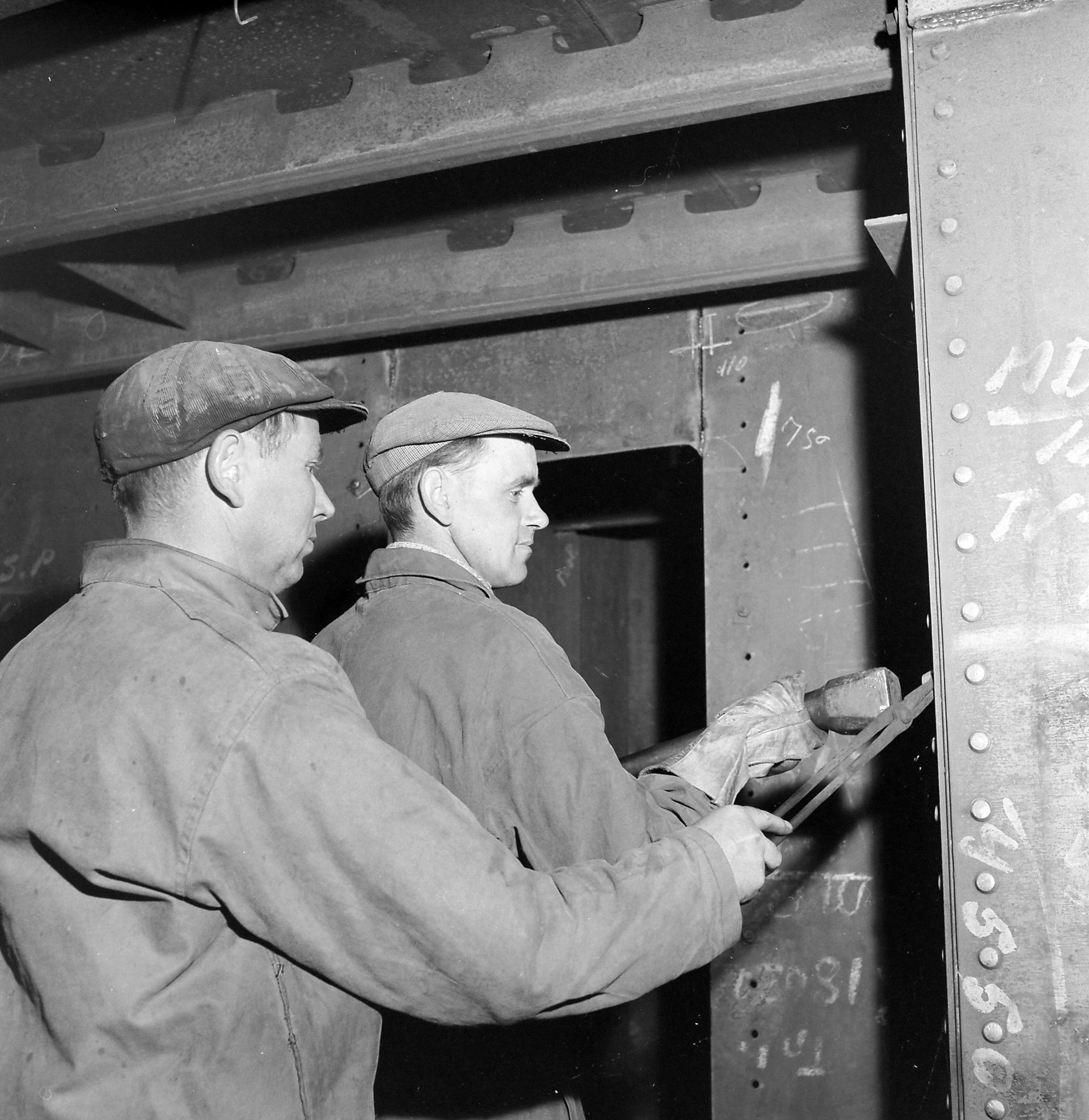
©Historiens Hus Nakskov
©Historiens Hus Nakskov
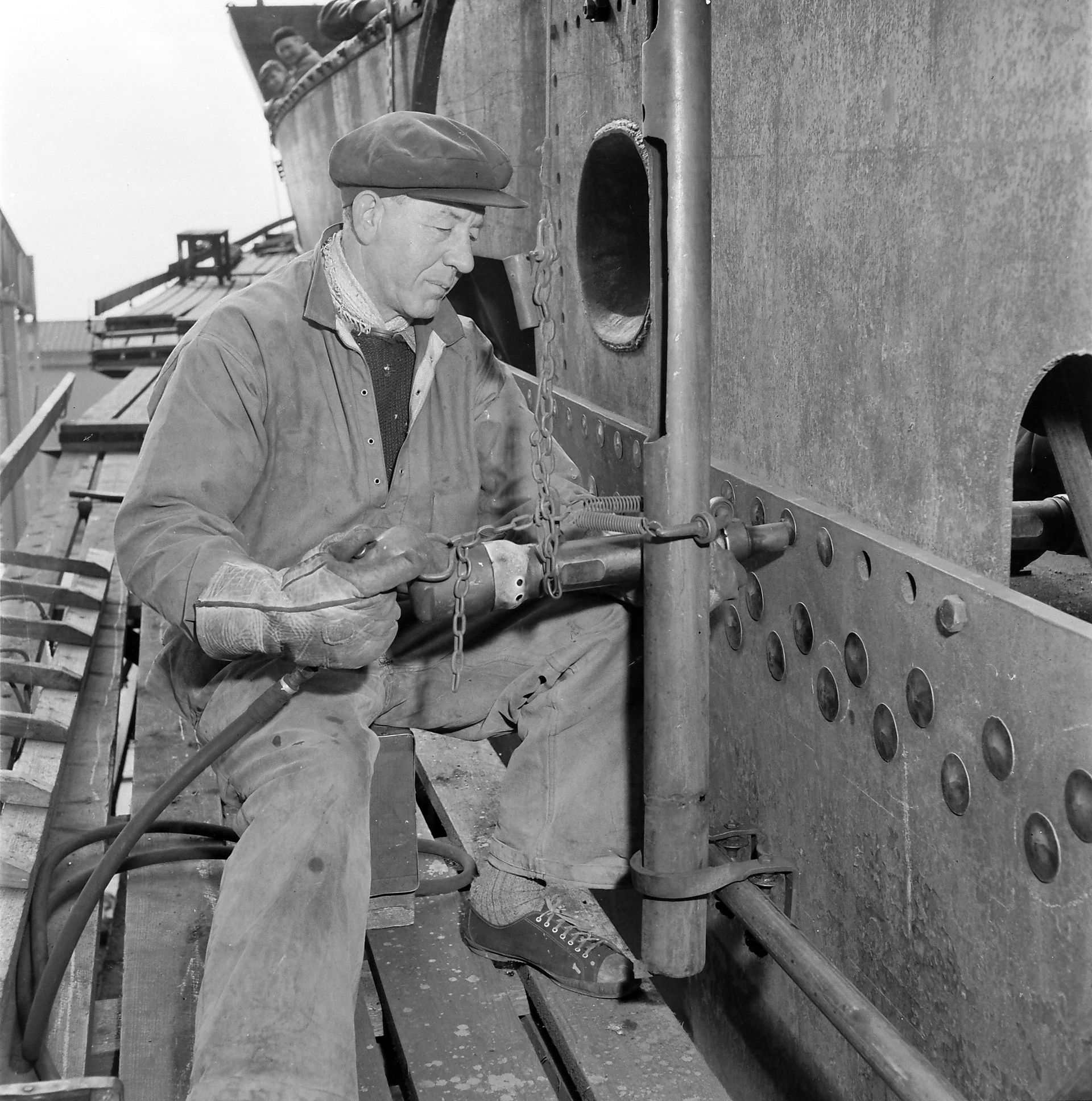
1961: The Rivet Heater by the portable rivet forge, where iron rivets were heated. The red-hot rivet is placed in the hole with tongs, and the Holder is ready to hold the rivet in place. On the outside of the ship, the Riveter is ready with an air hammer, powered by compressed air. The red-hot rivet is hammered flat. The air hammer hangs on a chain with a counterweight, called a “bornholmer”, so it is not so heavy to lift.
A riveting team typically consisted of a Rivet Heater, a Holder, and a Riveter. Their task was to rivet the ship’s hull together with iron rivets. The Rivet Heater heated the rivets in his portable forge inside the ship. He had a rivet gauge, a small plate with a number of holes in which the rivets sat while being heated. The Holder placed the hot rivets in the holes in the plating pieces from inside. Often the holes had to be “reamed out” with a drill to ensure they were perfectly aligned. The Riveter then hammered the red-hot rivet from the outside. After riveting, the plate edges were worked by a Caulker, who chiselled the edges to make a watertight joint.
11. Welding
Welding
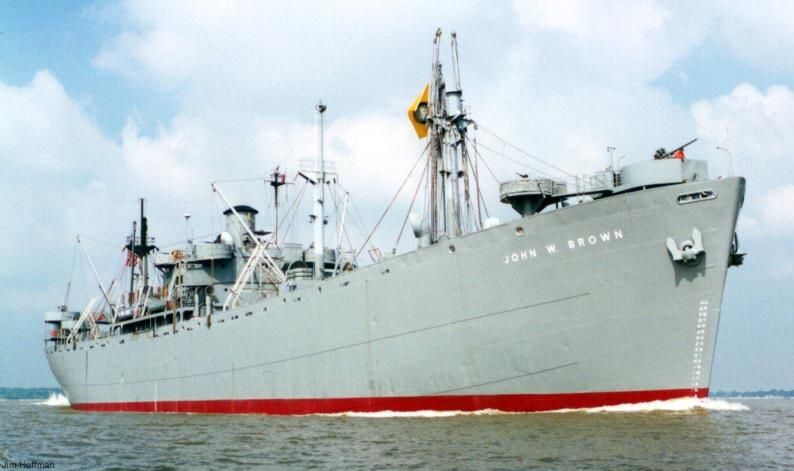
During World War II, the USA built 2,700 almost identical “Liberty” ships, producing three complete ships every second day. 26 days from start to launch. To achieve this, every part of the construction process was optimised. It was discovered that welding steel plates together was much faster than riveting.
©Historiens Hus Nakskov
©Historiens Hus Nakskov
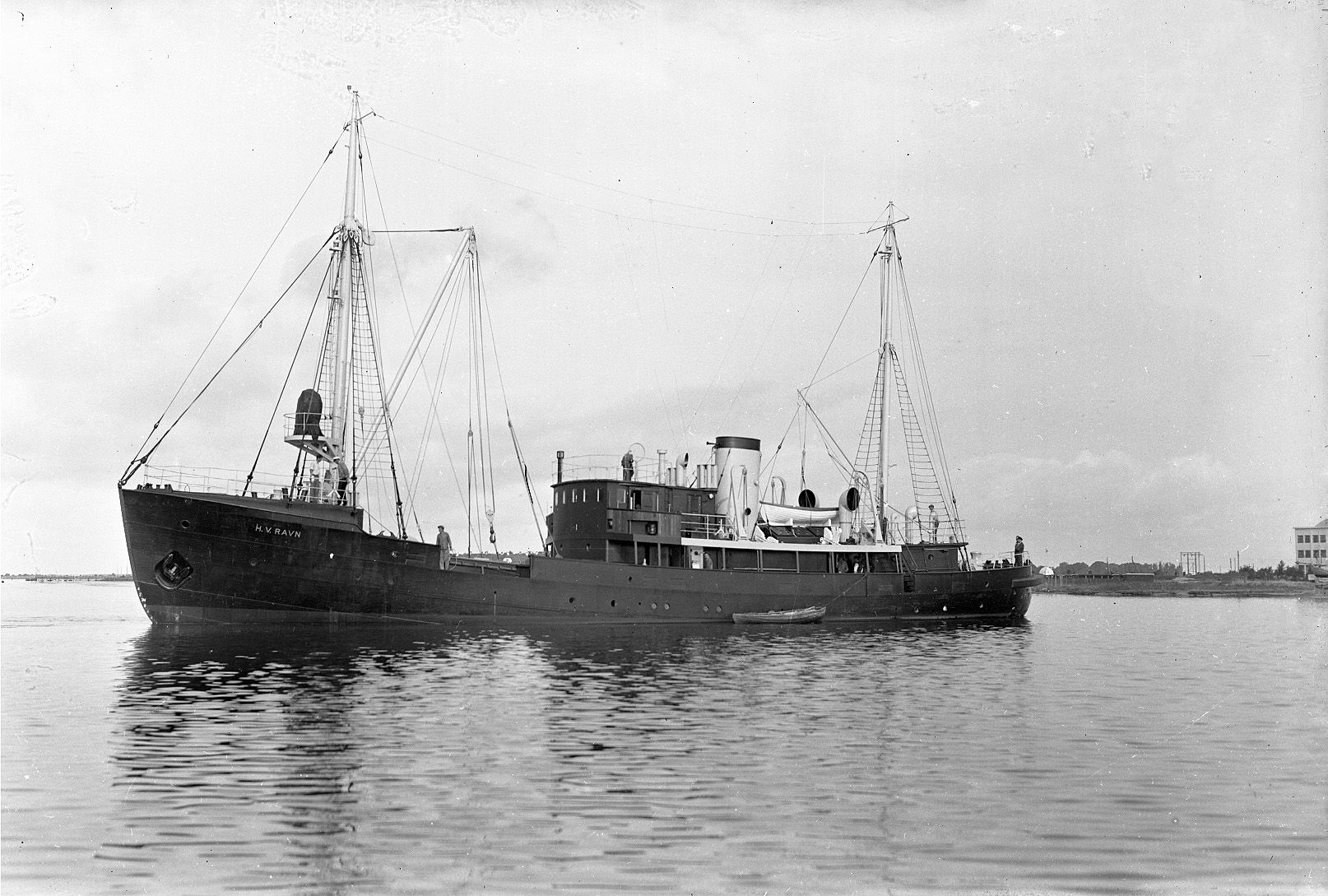
After World War II, Danish shipyards also began welding instead of riveting. Newbuilding 121, the lighthouse inspection ship H. V. Ravn from 1944, was the last fully riveted ship from Nakskov Shipyard.
A riveted ship was built on the slipway. A welded ship, however, could be built in sections, which could then be assembled on the slipway. The sections could be made indoors in the large shipbuilding hall, and several sections could be made simultaneously. The first welding techniques were electrode – and arc welding. Different welding techniques were developed in the following decades, including powder welding.
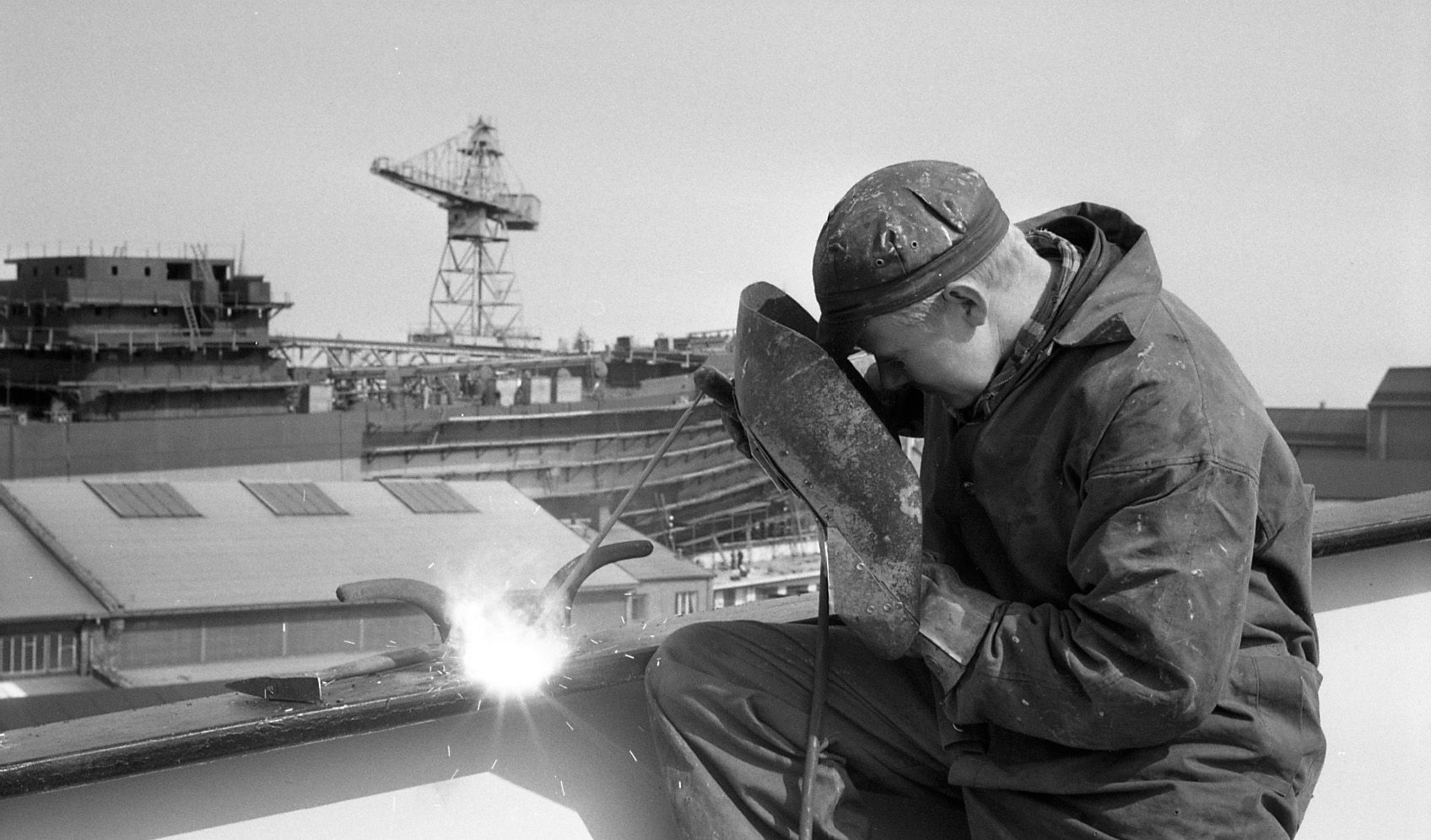
1960: Electrode welding
©Historiens Hus Nakskov
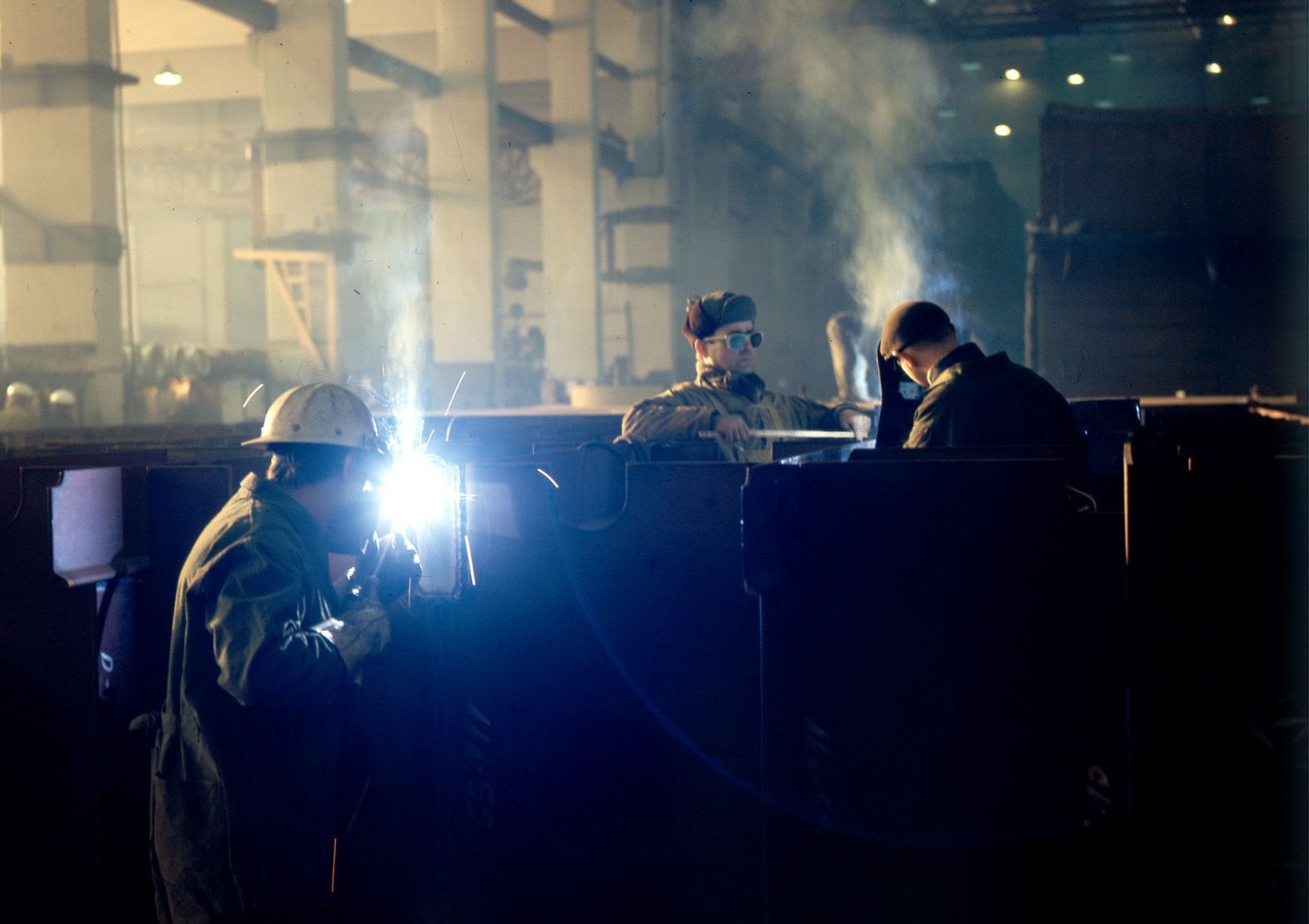
1972: Welding of deck beams
©Historiens Hus Nakskov
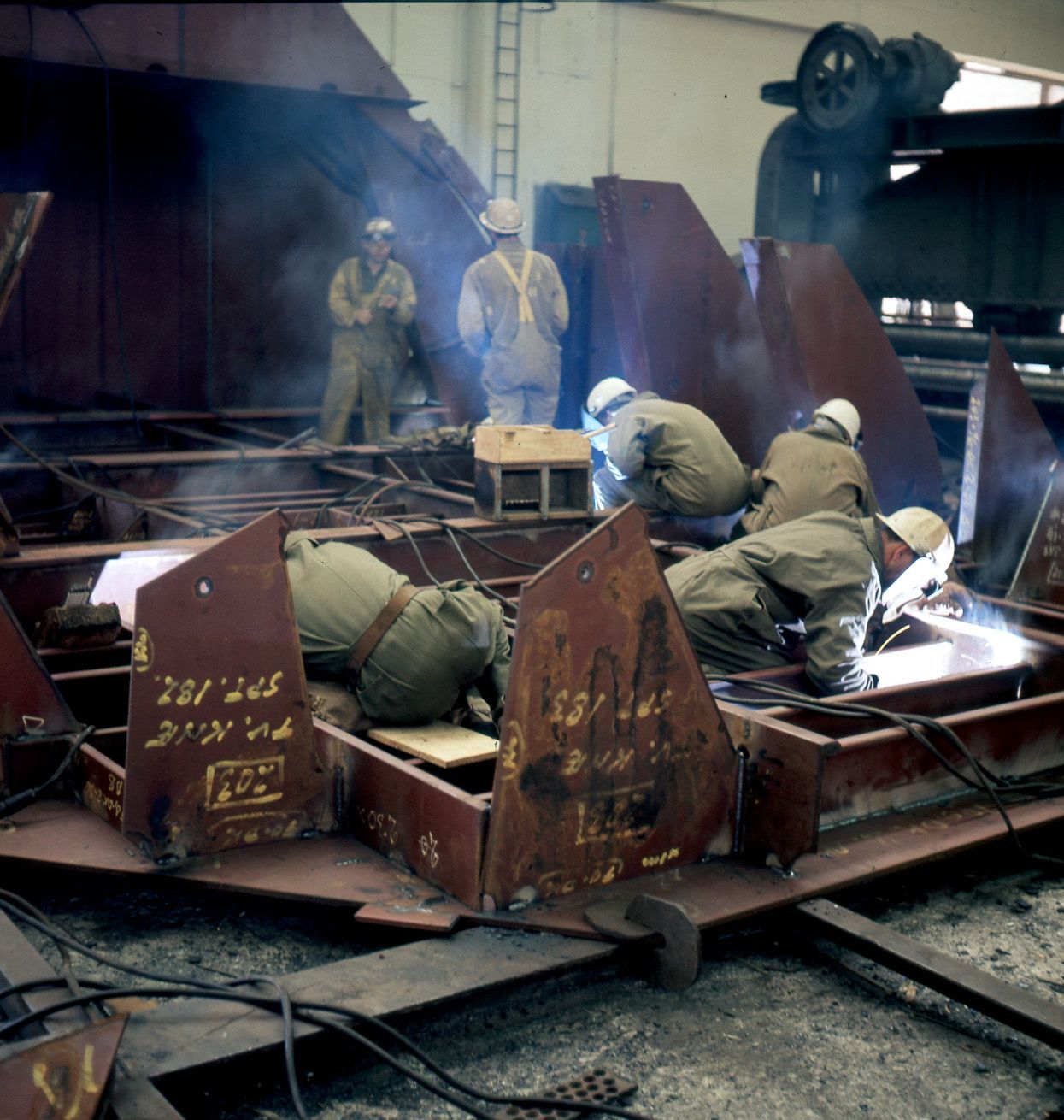
1972: Welding of section for M/F Prins Henrik
©Historiens Hus Nakskov

1975: Welding of bottom plate on M/F Prins Henrik
©Historiens Hus Nakskov
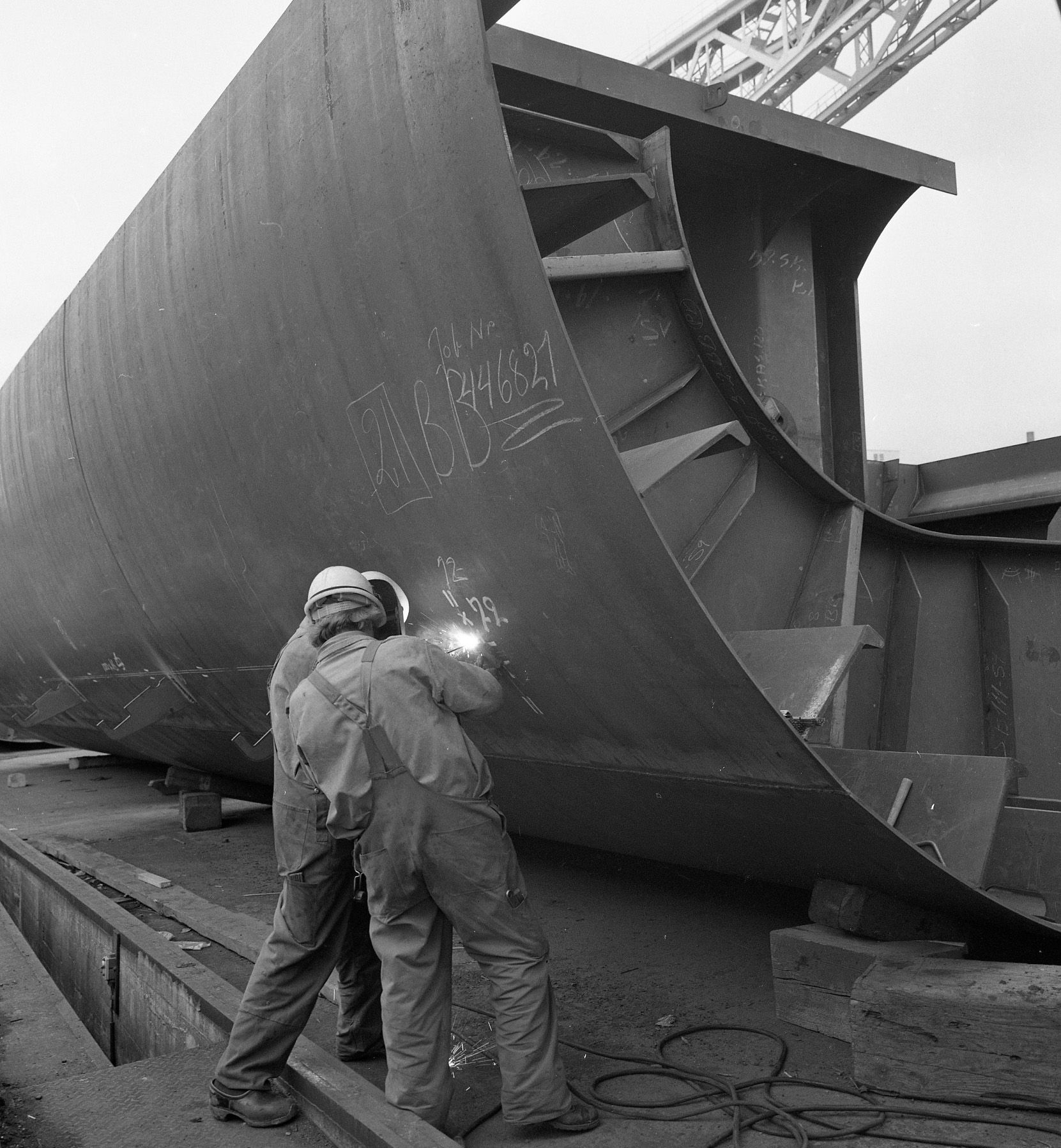
1976: Welding of section for M/T Paranagua
©Historiens Hus Nakskov
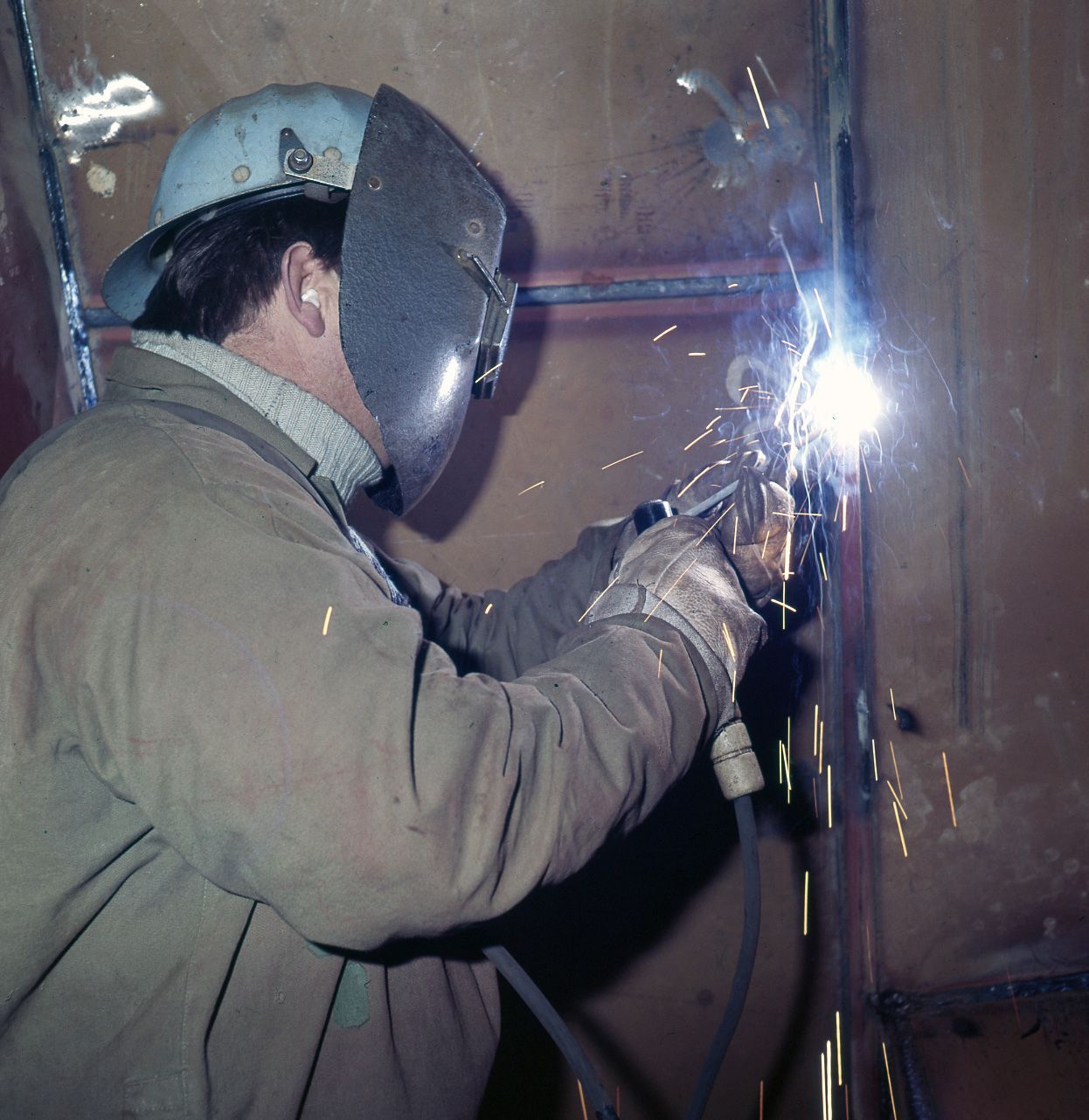
1976: Welding
©Historiens Hus Nakskov
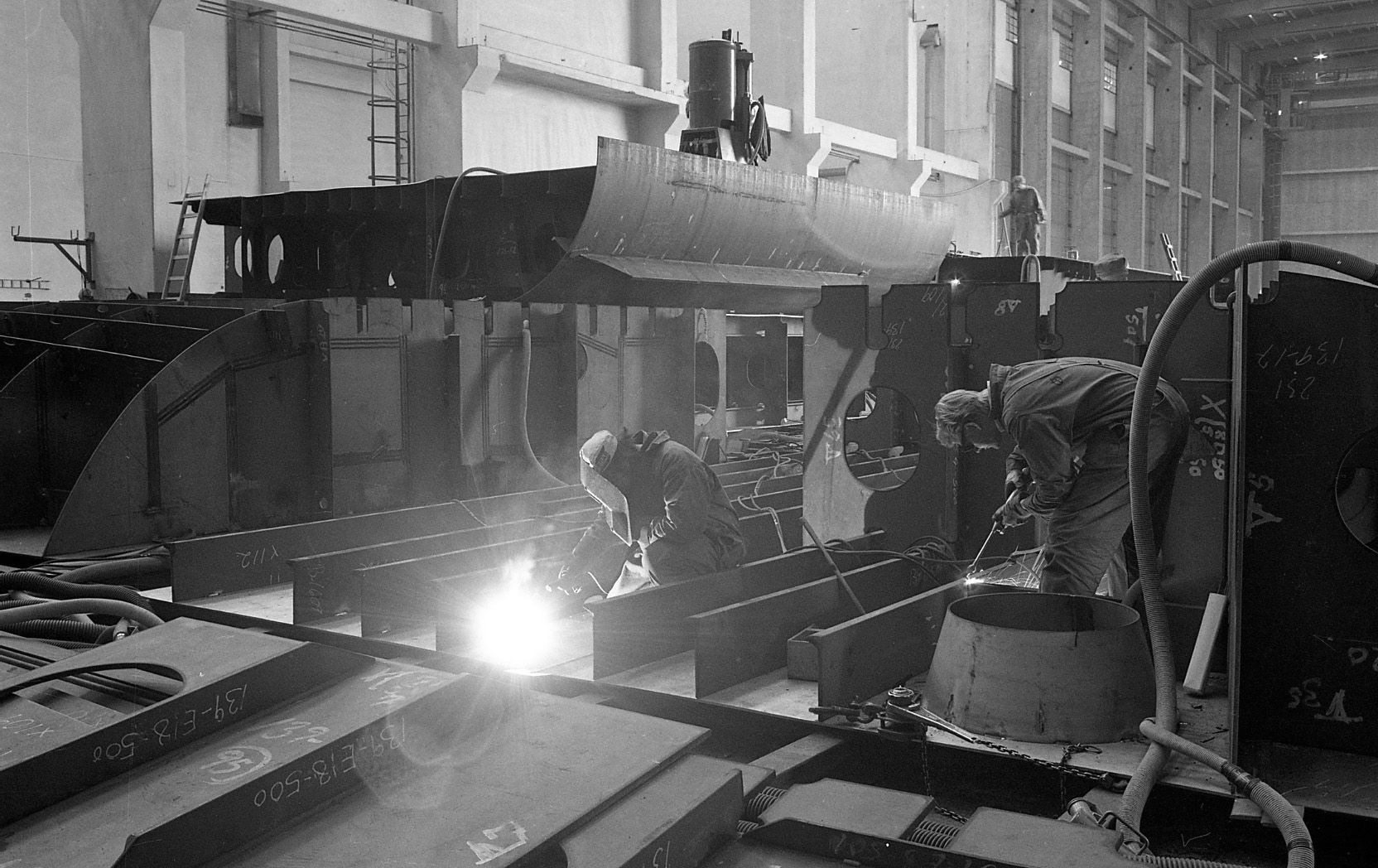
1982: Welding of Maersk ship ©Historiens Hus Nakskov
Most older residents in Nakskov remember the spectacular sight of welding sparks flying from a ship’s side on the slipway on the other side of the harbour.
Welder’s Eyes
Welders wore brown overalls, leather gloves, and sometimes a leather apron for safety. In addition, they all had a helmet with welding glass to protect against the UV light from the welding. Occasionally, a Welder would get “welding eyes”, a superficial burn of the cornea and mucous membrane. The “elder would have to stop working for the next day while the eyes healed. If the light was very intense, the retina could get a burn injury, leading to permanent vision damage.
12. The joinery shop
The Joinery Shop
In the joinery shop, all the finer woodwork was done. Rough planks were planed and sanded, sawn, and drilled with hand tools. The exhibited tools are from the period before electric tools were introduced.
Wooden wall panels for cabins and salons were made there. Some of the panels had inlaid wood motifs, like the wall panel from M/F Danmark displayed in the workshop.
All furniture for the ships was also made in the joinery shop. Here stands an ØK salon chair.
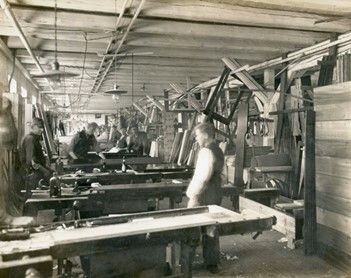
Joinery shop, circa 1920
©Historiens Hus Nakskov
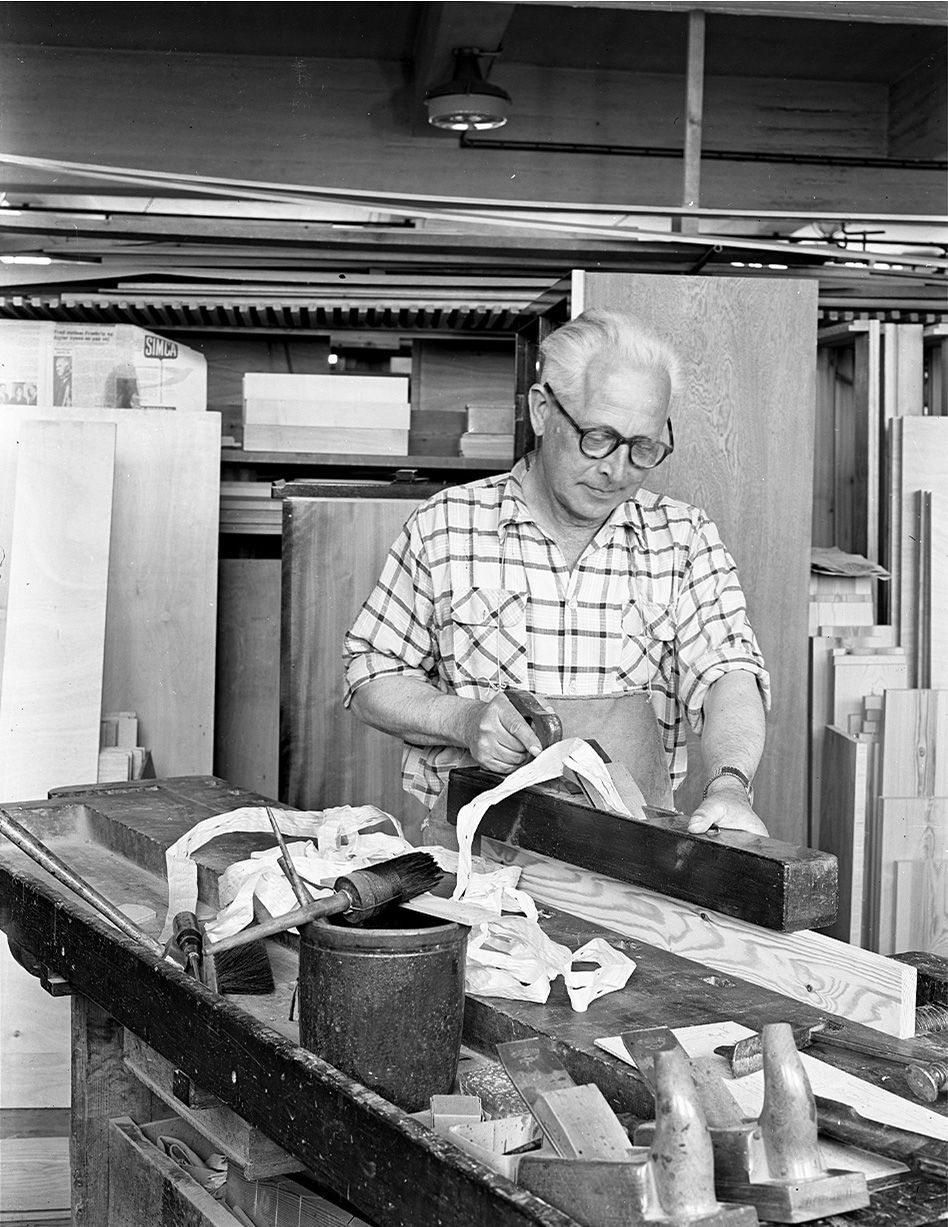
Planing a board in the joinery shop, 1959
©Historiens Hus Nakskov
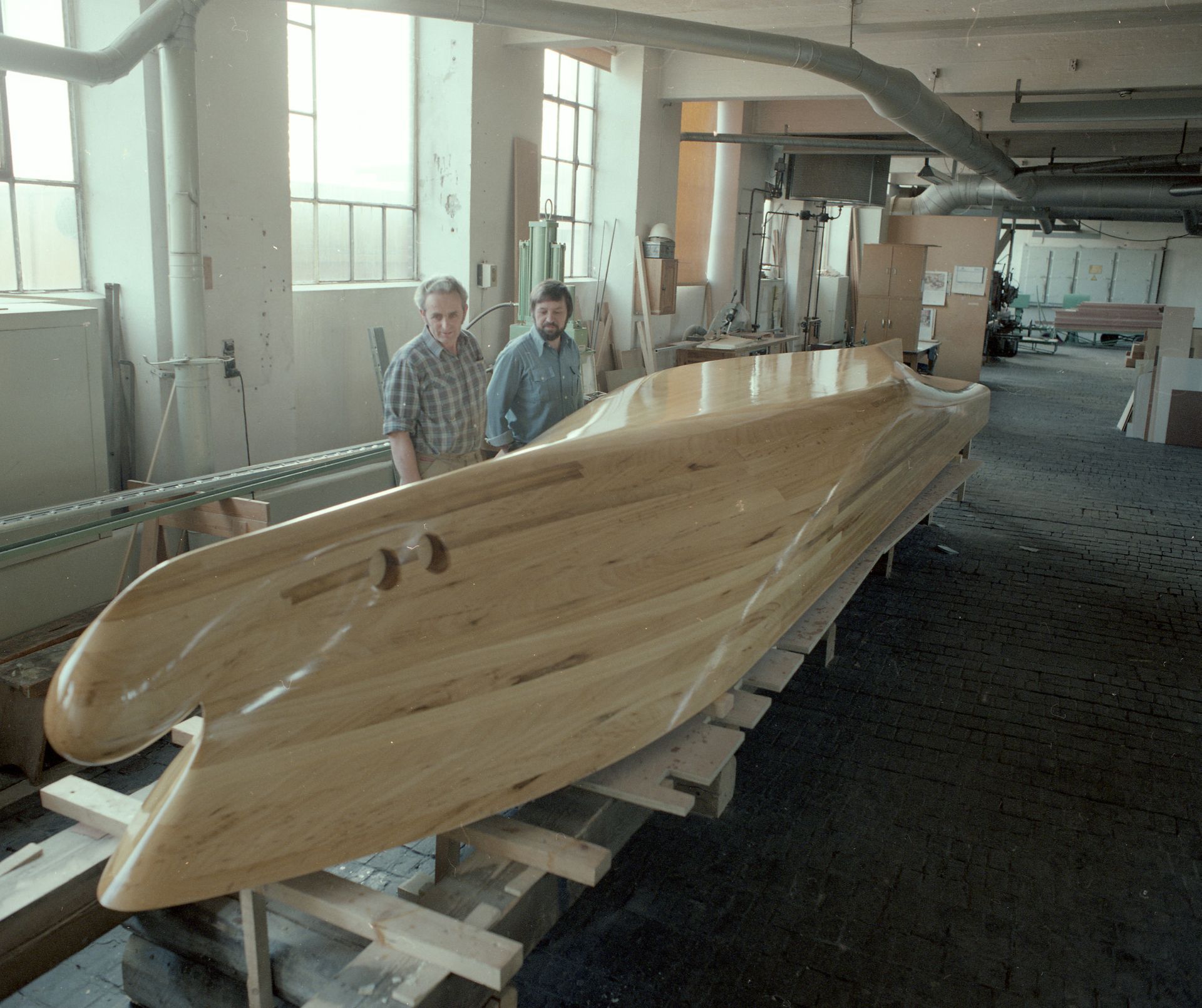
Half-models, and here full models, of ship hulls were made in the joinery shop, 1983.
©Historiens Hus Nakskov
13. The rigging shop
The Rigging Shop
Riggers prepared ropes and steel wires for the ships. These were used for masts, cranes, and to moor the ships. Riggers could splice eyes and seize ends. Some of the ropes were as thick as an arm and required enormous marlinspikes to open a hole in the rope to pass the rope through for splicing. A splicing machine was also used when working with steel wire.
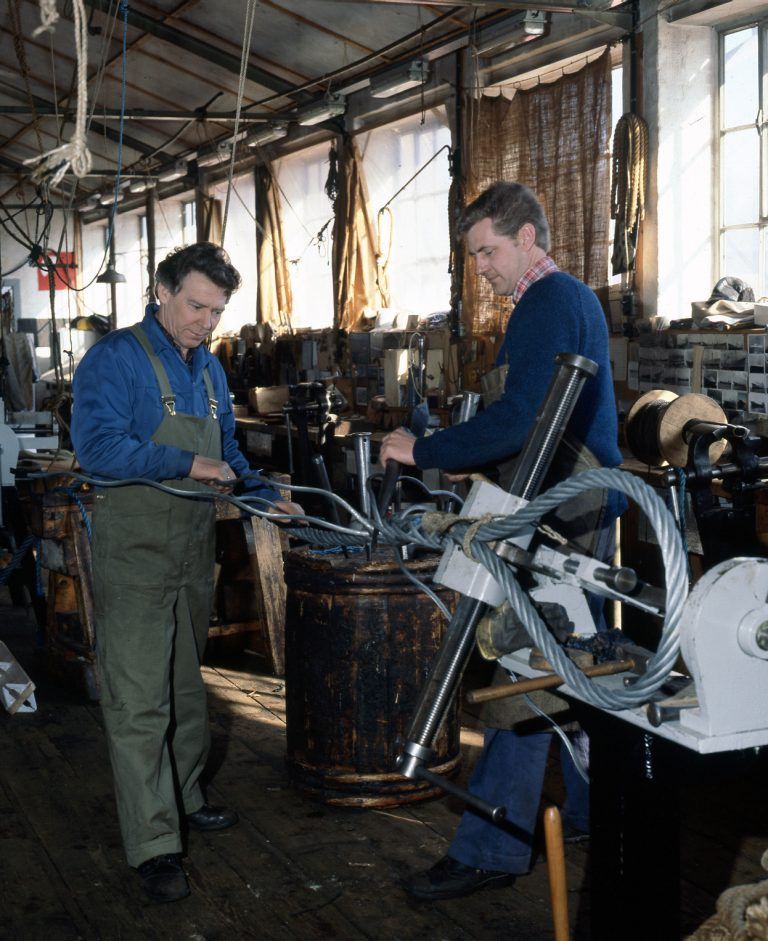
©Historiens Hus Nakskov
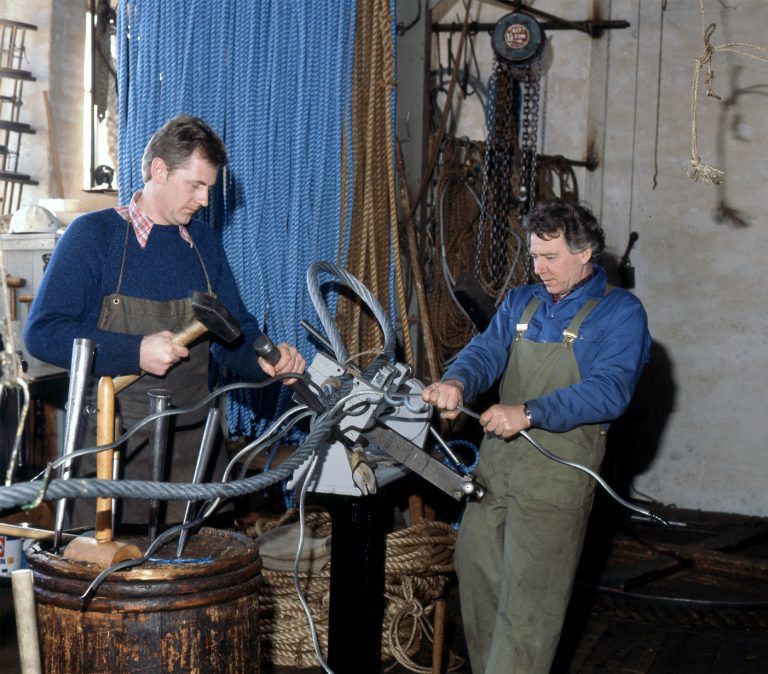
©Historiens Hus Nakskov
14. The Shipyard closes
The Age of Steel Ships
In the early 20th century, industrialisation swept over Denmark. Good money was made during World War I, which could be invested in shipbuilding. New steel shipyards sprang up: Burmeister & Wain in Copenhagen; Helsingør, Odense, and Nakskov Steel Shipyards. In the years after World War II, new ships were needed to replace those lost in the war, so the order books were full. The Danish yards thrived – until they didn’t. An international economic crisis in the 1970s led to a lack of orders, and the Danish shipyards could not compete with the low prices from shipyards in Korea and China. The Age of Steel Ships in Denmark lasted nearly 100 years; in Nakskov, only 70 years.
NAKSKOV SHIPYARD CLOSED IN 1986